
Yes. The code format, label type, scan flow, user roles, reports and integrations can be customised after reviewing the product journey.

A product track and trace system gives every item, batch, carton or pallet a defined identity and records its movement through the supply chain. For manufacturers, that can mean better visibility across production, dispatch, distribution and field verification. For channel teams, it means fewer blind spots once the product leaves the plant.
Veritech designs track and trace around the product, the pack, the data flow and the verification points. The system can connect Serialized labels, QR codes, barcodes, serial numbers and digital records so teams can check movement, flag exceptions and reduce duplication risk without slowing the line.
What is a product track and trace system?
A product track and trace system assigns a unique identity to an item, batch, pack, case or pallet. It then records selected events as the product moves through manufacturing, warehouse, distribution and downstream verification points.
The setup usually covers code generation, data capture, user permissions, scan events, exception handling and reporting. In some categories, the code may support authentication, warranty, loyalty or compliance-related checks. In pharmaceuticals, for example, a buyer may look for a unique authentication code of medicine to support pack-level verification.A good page should explain this in plain language. Buyers searching for product track and trace system are not only looking for software. They want to know whether the system will work with their packs, users, line speed and reporting needs

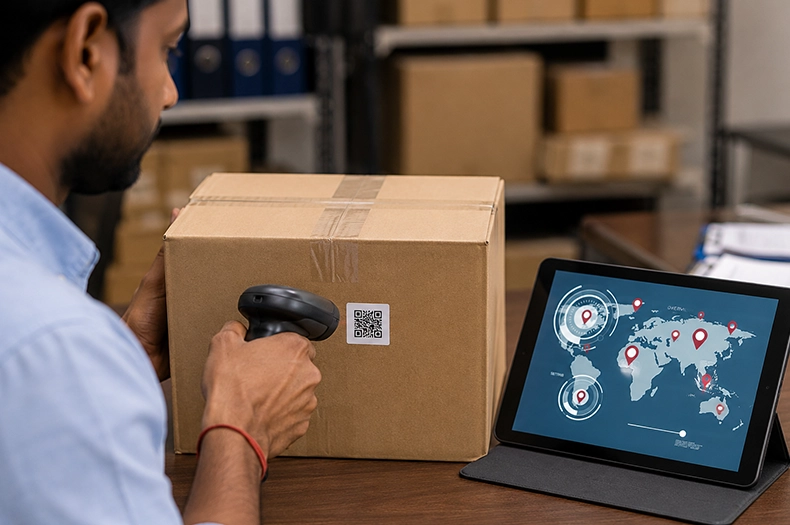
Most teams look for track and trace when product movement becomes hard to trust. Stock may be moving through multiple warehouses. Channel diversion may be difficult to spot. Warranty checks may take too long. Duplicate or irregular scans may already be creating doubt.
The right setup gives the business a clearer movement trail. It helps operations teams check where a product has been, helps service teams verify claims faster and gives management a cleaner view of exceptions across the supply chain.
Serialization lets each unit or grouping carry its own identity. This helps teams connect the physical product with a record that can be checked during production, transfer, dispatch or field verification.
Codes can be printed on labels, packs or holographic formats depending on the application. A QR code hologram may be useful where visible security and scan-based verification need to sit together.
The system can record selected events such as packing, dispatch, transfer, receipt, scan, claim or verification. These events give teams a clearer history without depending on manual follow-ups.
Irregular scan patterns can help teams spot possible diversion, duplication, misuse or training gaps. The value comes from the action after the scan, so reports must be easy to read and routed to the right users.
Track and trace fits best where product identity and movement need to remain clear after dispatch. It is useful for categories where counterfeiting, diversion, warranty misuse, channel opacity or compliance pressure can affect trust.
The rollout should begin with the product journey. Veritech can map where the code is created, where it is applied, which users scan it and what action should happen when something looks unusual.
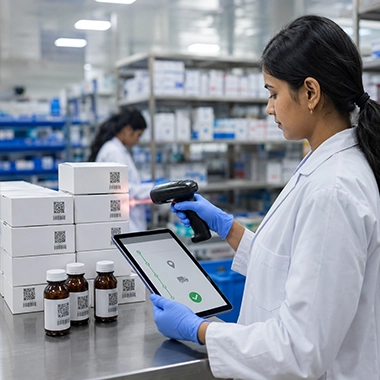
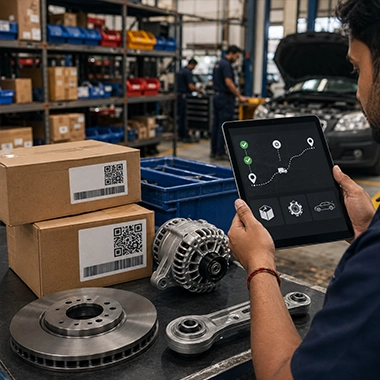
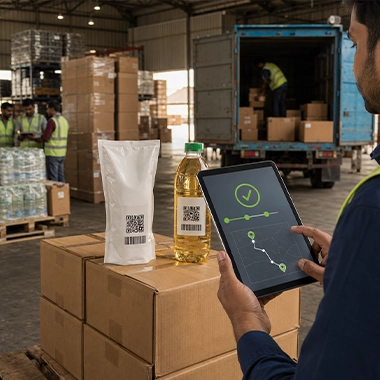
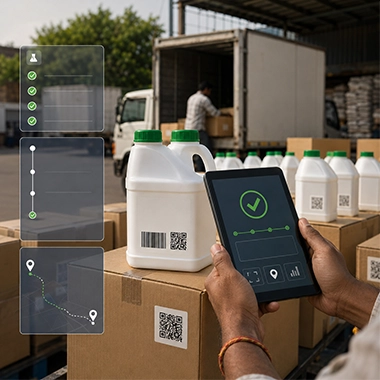
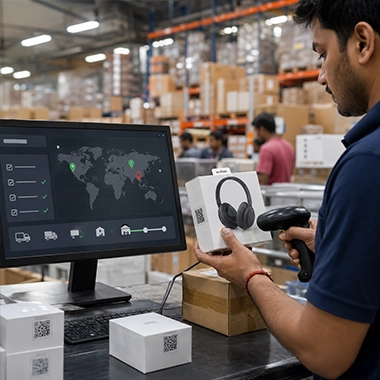
Map the product journey from production to the point where the last meaningful check happens.
Decide the identity level. Item, batch, case and pallet-level coding solve different problems.
Define who will scan and why. Operator scans, distributor scans, service scans and consumer scans need different flows.
Plan data and integration early. ERP, CRM, packaging data and field platforms should be discussed before launch.
Run a small pilot with real users before scaling the system across locations or product lines.
Veritech can connect security printing, labels, holography, packaging and digital verification into one recommendation path. That is important because a product track and trace system does not live only inside software. It depends on how the code is printed, applied, scanned and used in the field.
A good recommendation starts with practical inputs: product type, pack format, surface, quantity, security risk, line conditions, user roles and reporting needs. Veritech can use those details to suggest a setup that fits the product flow rather than forcing the product into a generic model.
Before a buyer commits to a product track and trace system, the team should decide what needs to be tracked, which misuse is most likely, who will inspect the code and what action should follow each scan or exception.
This keeps the project realistic. A system can look complete on paper and still fail if the scan point is inconvenient, the code is placed badly or the report does not answer the decision the team needs to make.
This section also helps the page answer related searches such as Serialized labels, unique authentication code of medicine and QR code hologram without stuffing keywords into every paragraph.
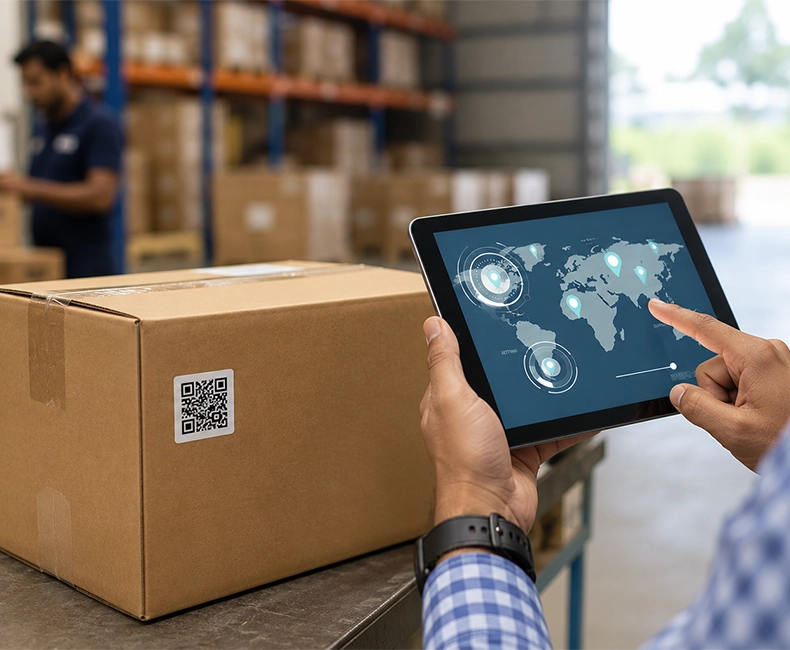
Yes. The code format, label type, scan flow, user roles, reports and integrations can be customised after reviewing the product journey.
Yes, where the application supports it. Veritech can integrate variable data and digital verification features with the physical product.
Selection depends on the product, pack format, substrate, exposure conditions, scan points, security risk and production volume.
Yes. It can support authentication when the code, label, scan logic and reporting flow are designed around that purpose.
Share the product journey, pack format, coding need, user roles, expected scan volume, integration need and the exceptions the team wants to monitor.