
Yes. The physical security feature, artwork, code format, verification journey, user roles and reports can be configured around the product and risk profile.

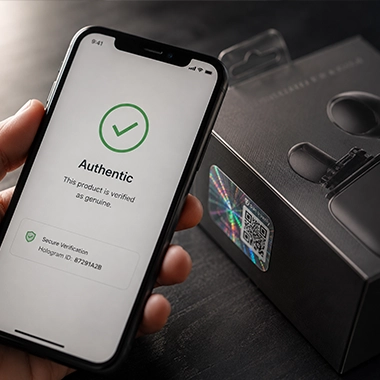
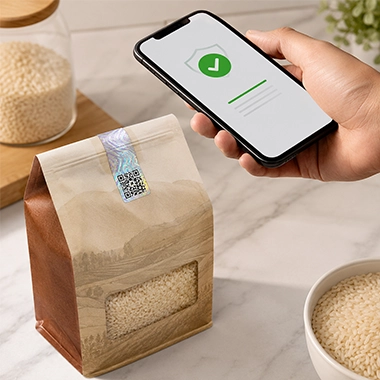
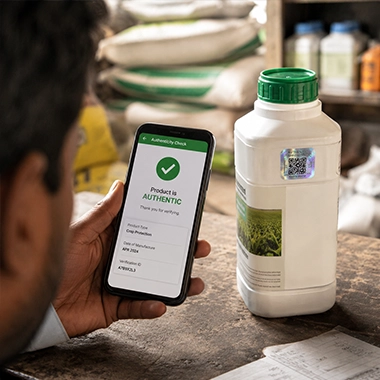
Product authentication helps a consumer, retailer, inspector or service team check whether an item is recognised by the brand. The check may use a hologram, an authentication sticker, a unique code or a combination of physical and digital features.
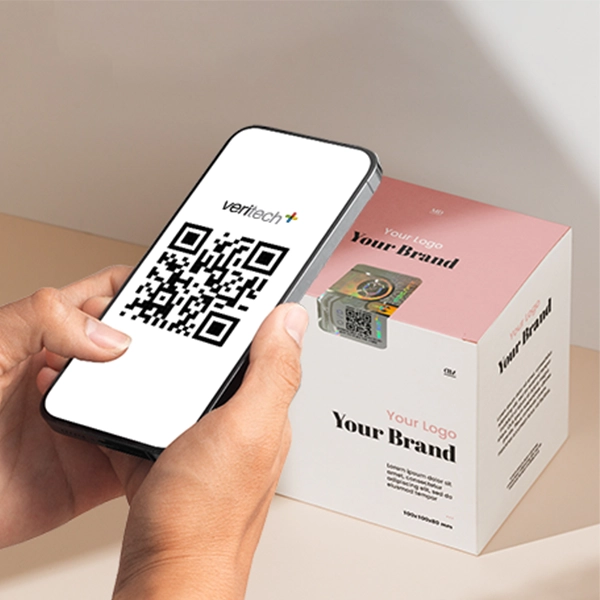
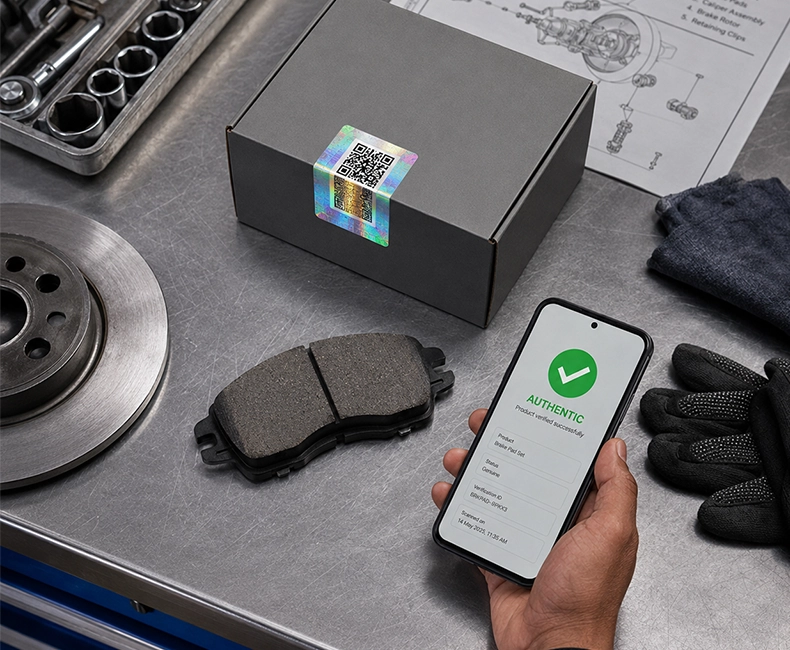
Veritech can connect these features so the physical pack and the verification journey support each other. A visible hologram can provide an immediate first check, while a QR code, barcode or serial number can provide an item-level or batch-level digital response.
The design should reflect the actual risk. A consumer-facing scan needs simple instructions, while an internal investigation team may need scan history, duplicate-use alerts and location or channel information.
What is hologram authentication?
Hologram authentication uses a holographic security feature to help distinguish an authorised product or document from an imitation. The hologram may include overt details that users can see and covert details intended for trained inspection.
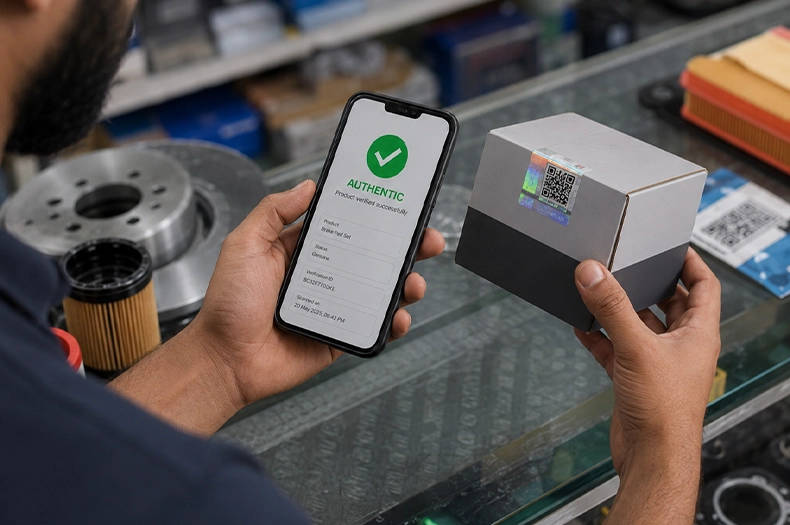
The hologram can be supplied as a label, foil or another suitable format. When it is linked with a unique digital identity, a user can scan or enter a code and receive a verification result based on the rules set by the brand.
This combined approach gives users a practical answer to a common question: how to identify genuine products without relying on packaging appearance alone.
Counterfeit or diverted products can copy colours, logos and basic packaging details. Visual similarity makes it difficult for consumers and channel teams to judge whether an item is genuine product stock.
Authentication creates defined checks. It can help the brand guide users, record verification events, identify repeated code use and investigate activity that does not match expected product movement.
Unique or grouped identities can be assigned according to the product, production process and level of traceability required. The identity can be linked to product details and verification rules.
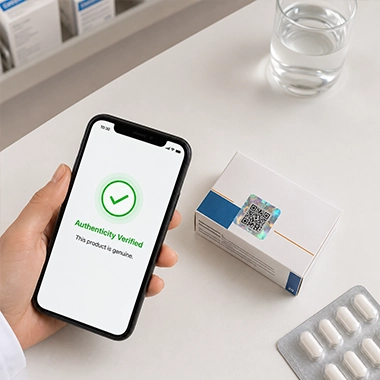
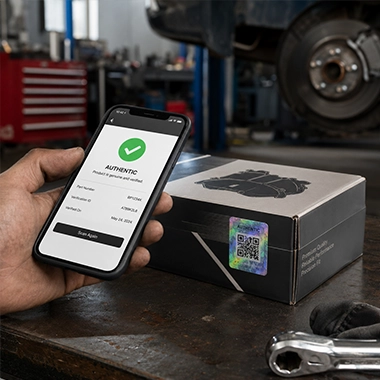
Users can follow an approved scan or code-entry journey to check the product. The response can be tailored for consumers, retailers, field teams or internal inspectors.
The system can record repeated scans or unusual verification patterns. These events do not prove counterfeiting by themselves, but they give the brand useful leads for review.
The same product identity can support additional workflows such as movement tracking, warranty registration or reward validation when those processes are planned together.
Authentication is useful where copied packaging, unauthorised distribution, product substitution or false warranty claims create commercial or safety concerns.
The selected features should match the people who will use them. Consumers need a quick, understandable check. Investigators and operations teams need reliable data and a clear process for handling exceptions.
Decide who will verify the product and where that check will happen.
Overt, covert and digital features should have clear roles rather than being added only for appearance.
Confirm how identities will be generated, printed, activated, distributed and retired.
Test the physical feature, scan instructions, response screen, exception handling and reporting with real users.
Veritech works across holograms, labels, security printing, packaging and digital verification. This allows the authentication feature and the data journey to be developed as one system.
The physical feature must be practical to manufacture and apply. The digital response must be easy to understand and useful to the teams reviewing activity. Treating both parts together reduces gaps between packaging production and software configuration.
The recommendation begins with the product, pack, threat profile, users, expected volume and reporting needs. Veritech can then define the suitable physical and digital layers.
Document the verification journey from the first user action to the final response. Include what happens when a code is valid, invalid, already used or unavailable.
Confirm who owns the product data and when each identity becomes active. This is especially important when codes are printed before products are packed or released for sale.
Instructions on the pack should be short and clear. Users need to know where to find the authentication sticker or code and what result they should expect.
Test the solution in poor network conditions and on a representative range of devices where consumer scans are expected.
Agree on the investigation process for repeated or suspicious activity. A dashboard is useful only when the team knows who will review the information and what action may follow.
Yes. The physical security feature, artwork, code format, verification journey, user roles and reports can be configured around the product and risk profile.
Yes, where the label size, material and production process support both features clearly.
The brand can provide a defined visual check, a code-based verification step or both. The response should state the result clearly and explain what to do if the check fails.
It may connect with approved packaging, ERP, CRM, warranty, loyalty or track-and-trace systems. The integration method depends on the available data and workflow.
Share the product and pack samples, threat profile, user groups, expected volumes, code source, verification rules, exception process and reporting requirements.