
Yes. Registration fields, validation rules, claim stages, user permissions, notifications and reports can be configured around the brand policy.
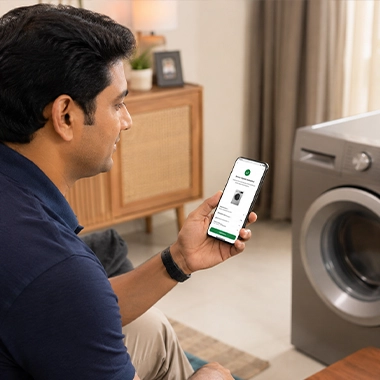
Make post-purchase care effortless. Our Warranty Management solution lets users register products, track warranty periods, and receive timely reminders, all digitally. No more misplaced receipts or missed expiry dates. Offer your customers a smooth, paperless warranty experience that strengthens brand loyalty.
Warranty management software gives brands a structured way to register products, activate warranties and track claims. It replaces scattered forms and spreadsheets with a record that links the customer, product, purchase and service history.
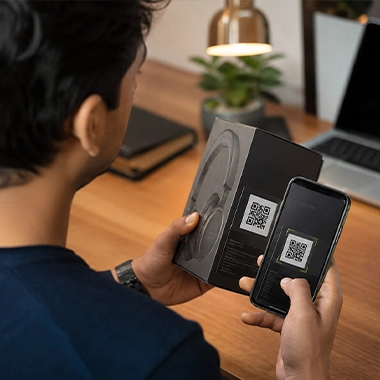
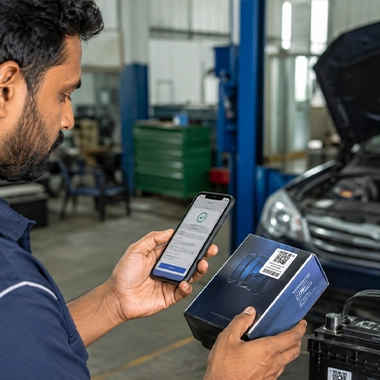
Activation can begin with a QR code, serial number, security barcode label or another approved product identity. The brand can then validate the item, collect the required information and guide the user through the next step.
Veritech can connect the digital workflow with the physical code or authentication sticker used on the product or pack.
What is warranty management software?
Warranty management software records product registration, warranty terms, proof of purchase, claim status and service activity. It helps service and operations teams see the same information without passing files between departments.
The workflow can be configured for customers, dealers, installers, service centres and internal teams. Each user can receive the forms, permissions and status information relevant to their role.
The result is a clearer warranty process with fewer manual checks and a stronger link between the claim and the registered product identity.

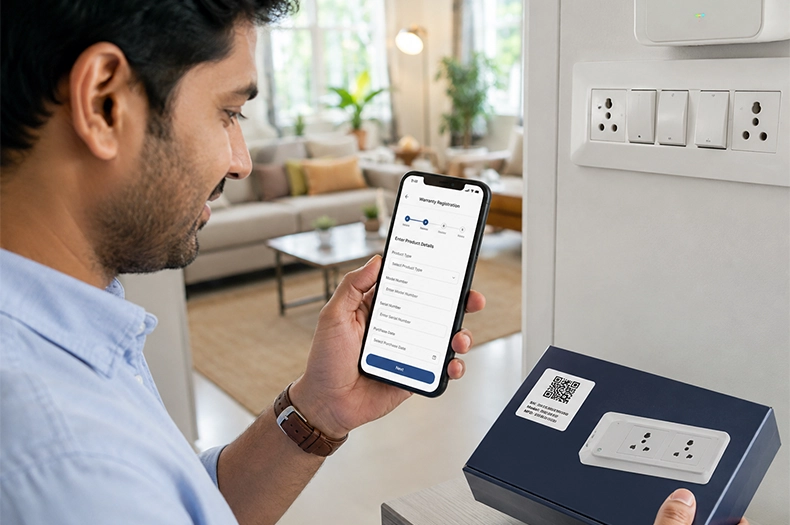
Warranty records often sit across invoices, emails, call-centre notes and dealer files. This makes it difficult to confirm coverage, spot repeated claims or understand the service history of a product.
A central system gives teams a traceable record of activation and claim activity. It can shorten routine checks, improve status communication and provide data for reviewing product or service issues.
A customer, dealer or installer can scan or enter the approved product code to begin registration. The system can check the identity before creating the warranty record.
The platform can store the details required for the programme, such as product model, serial number, purchase date, seller, owner and installation information.
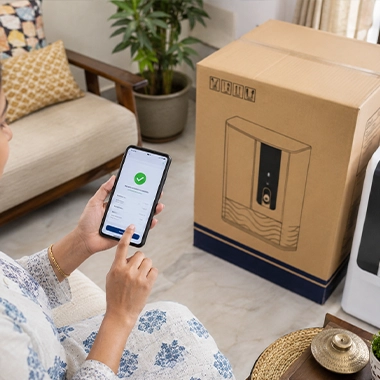
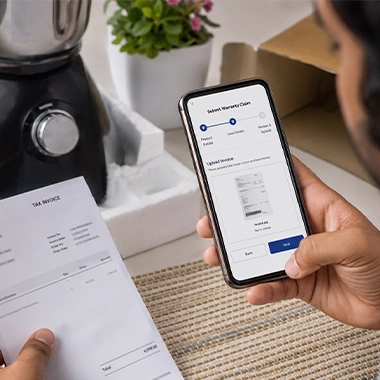
Claims can move through defined stages such as submission, document review, inspection, approval, service and closure. Users can receive updates according to the communication plan.
Linking claims to controlled codes can help identify duplicate registrations, repeated submissions or products that do not match authorised records.
The software is useful for brands that manage warranties across a dealer network, installer base, service-centre network or large customer population.
The workflow should reflect the actual policy. Registration requirements, coverage dates, supporting documents, approval authority and service steps need to be clear before configuration begins.
Define when coverage starts, how long it lasts and what conditions or exclusions apply.
Confirm whether activation will use a serial number, QR code, barcode, security label or a combination of identifiers.
List what customers, dealers, installers, service teams and managers need to enter, view or approve.
Decide whether product, invoice, dealer, CRM, ERP or service-centre data must move between systems.
Test routine registrations as well as missing invoices, duplicate codes, expired coverage and escalated claims.
Veritech can plan the product identity and the warranty workflow together. Security barcode labels, authentication stickers, holographic features and digital registration can be matched to the same product and process.
This reduces the risk of choosing a code or label that works for printing but does not support the warranty journey. It also helps the brand control how identities are created, applied and checked.
The recommendation is based on the product range, warranty policy, user roles, expected volumes, service process and systems already in use.
Prepare a simple process map that shows registration, validation, claim submission, review, service and closure. Mark the team responsible for each step.
Decide which information is mandatory and which is optional. Long forms can reduce completion rates, while missing fields can slow claim review.
Confirm how codes will be generated and linked to product records. The process should prevent duplicate identities and define when a code becomes active.
Test customer communication at each stage. Registration confirmation, document requests, approval, rejection and service updates should be easy to understand.
Use the pilot to measure completion, exception rates, review time and support queries before the process is opened to a larger user base.

Yes. Registration fields, validation rules, claim stages, user permissions, notifications and reports can be configured around the brand policy.
Yes. The suitable identifier depends on the product, packaging, print method and level of control required.
Yes. A controlled code can be printed on or combined with an authentication sticker so the same product identity supports both verification and warranty activation.
Integration may be possible with ERP, CRM, dealer, invoice and service systems. The final method depends on the available data and the actions required in each workflow.
Share the warranty policy, product data, user roles, code source, claim stages, expected volumes, exception cases and reporting requirements.