Fortifying Financial Instruments with Holographic Security Features
Published on 19 Oct 2025
In the digital age, financial fraud has evolved, making it imperative for financial institutions to stay ahead with cutting-edge security measures. Bank cards, cheques, and other financial documents are prime targets for forgery and duplication. To combat these threats, holographic security features have become vital in safeguarding financial instruments. This article discusses the application of holograms in bank documents, how they are used in cheque fraud prevention, and the way anti-forgery print technology strengthens bank card security.
Hologram Security for Bank Cards
In the digital age, financial fraud has evolved, making it imperative for financial institutions to stay ahead with cutting-edge security measures. Bank cards, cheques, and other financial documents are prime targets for forgery and duplication. To combat these threats, holographic security features have become vital in safeguarding financial instruments. This article discusses the application of holograms in bank documents, how they are used in cheque fraud prevention, and the way anti-forgery print technology strengthens bank card security.
Hologram Security for Bank Cards
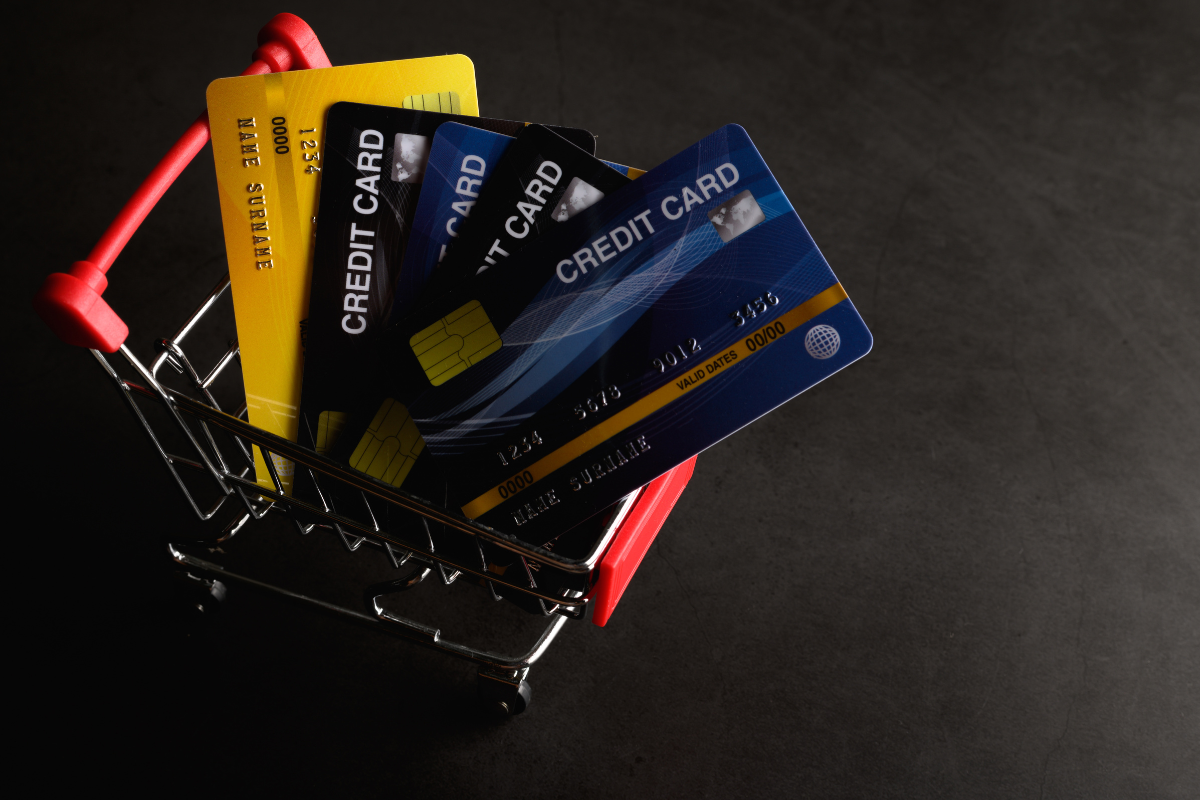
Bank cards are among the most commonly used financial instruments, and their security is a top priority for financial institutions. Sophisticated holographic features complement classic security measures like PINs and magnetic strips to counter future threats from counterfeiting and unauthorized use.
Holographic security features on bank cards are an effective deterrent against fraudsters. These security aspects usually comprise:
3D Holograms: Holograms embedded inside the card and giving a three-dimensional impression render duplication extremely difficult. Such holograms have minute details and images hidden inside that can be seen only at particular angles, providing an additional security feature.
Kinetic Imagery: Motion effects on certain holograms when the card is tilted make it virtually impossible to duplicate without advanced technology.
Microtext and Nano-Prints: Holographic images often integrate microtext that is only visible under magnification. This prevents fraudsters from creating accurate copies using traditional printing methods.
Tamper-Proof Designs: If someone attempts to alter or remove the holographic layer, it destroys the image, making any tampering evident.
Since there has been massive usage of contactless payment solutions, holograms are an extra security feature that works in collaboration with electronic authentication. They do not only ensure the authenticity of the card but also give assurance to users that their financial transactions are legitimate.
Cheque Fraud Prevention Through Holography
Cheque fraud is one of the earliest financial crimes. From signature forgery to fake cheques, fraudsters have always come up with new ways to take advantage of cheque vulnerabilities. Embedding holographic security features on cheques is a good measure to counteract these threats.
The most effective holographic security features to prevent cheque fraud are:
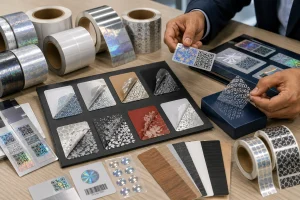
Holographic Foils and Strips: Holographic foils or strips are added to cheque designs by banks to ensure unauthorized duplication is prevented. Such elements are hard to copy and are used for visible authentication.
Color-Shifting Holograms: Color-shifting holograms change color when they are observed at various angles, thus making them a great anti-forgery element. The dynamic visual effect makes it simple for banking authorities to check the authenticity of a cheque.
Embedded Security Patterns: High-tech holographic technology enables embedding security patterns in cheque paper, which become visible only under certain lighting conditions.
Heat-Sensitive Ink and Holograms: Certain cheques use heat-sensitive holographic elements that vanish or alter upon contact, rendering them immune to copying.
Through the incorporation of these security features, financial institutions can minimize cheque fraud and unauthorized amendments by a large extent. As fraud methods keep changing, banks keep improving cheque security through the use of advanced anti-forgery printing technologies.
Secure Financial Documents with Holographic Protection
Besides bank cards and cheques, banks produce other documents like bonds, share certificates, and loan contracts. These documents need to have the highest form of security against counterfeiting and to ensure authenticity.
Financial documents with holographic features give:
Instant Authentication: Holographic-embedded financial documents can easily be authenticated and checked quickly to minimize the likelihood of forgery.
Personalized Security Layers: Organizations can embed individual holograms specific to their identity, rendering it difficult for counterfeiters to replicate them.
Longevity and Durability: Holographic elements are engineered to be impervious to tampering and wear and tear, providing long-term security.
Moreover, official signatures and stamps can also be upgraded with holographic overlays, and it becomes almost impossible to make unauthorized changes.
Improvements in Anti-Forgery Printing Technology
Anti-forgery printing technology has seen immense advancements over the past decade, including holographic security features used to secure financial instruments. Some of the most recent advancements include:
Optically Variable Devices (OVDs): New-generation holograms have various visual effects that include changing images, invisible texts, and kinetic motion, which makes it challenging to replicate.
Security Threads and Watermarks: Hologram security threads placed within financial products improve security by introducing a verification step.
Laser-Engraved Holography: Engraving technology using laser helps in making highly accurate engraving of holographic details with far better precision and security.
Integration of RFID and Holography: Many financial products incorporate RFID chips integrated with holographic security to provide electronic verification as well as optical confirmation.
The ongoing technological innovation in anti-forgery printing technology guarantees that banks stay ahead of forgers. Utilizing holographic security, they can ensure the authenticity of financial documents and prevent forgery or unauthorized duplication.
Conclusion
With financial fraud techniques becoming increasingly advanced, incorporating holographic security features into checks, bank cards, and financial papers is necessary for enhancing financial security. Holograms are a useful anti-forgery device that immediately authenticates and adds credibility to financial transactions.
With improvements in anti-forgery printing technology, banks and financial institutions are required to remain innovative in terms of security precautions to outwit fraudsters. The future of secure financial transactions is in the seamless incorporation of holographic security to ensure financial instruments are secured against unauthorized replication and fraudulent activity.