Introduction:
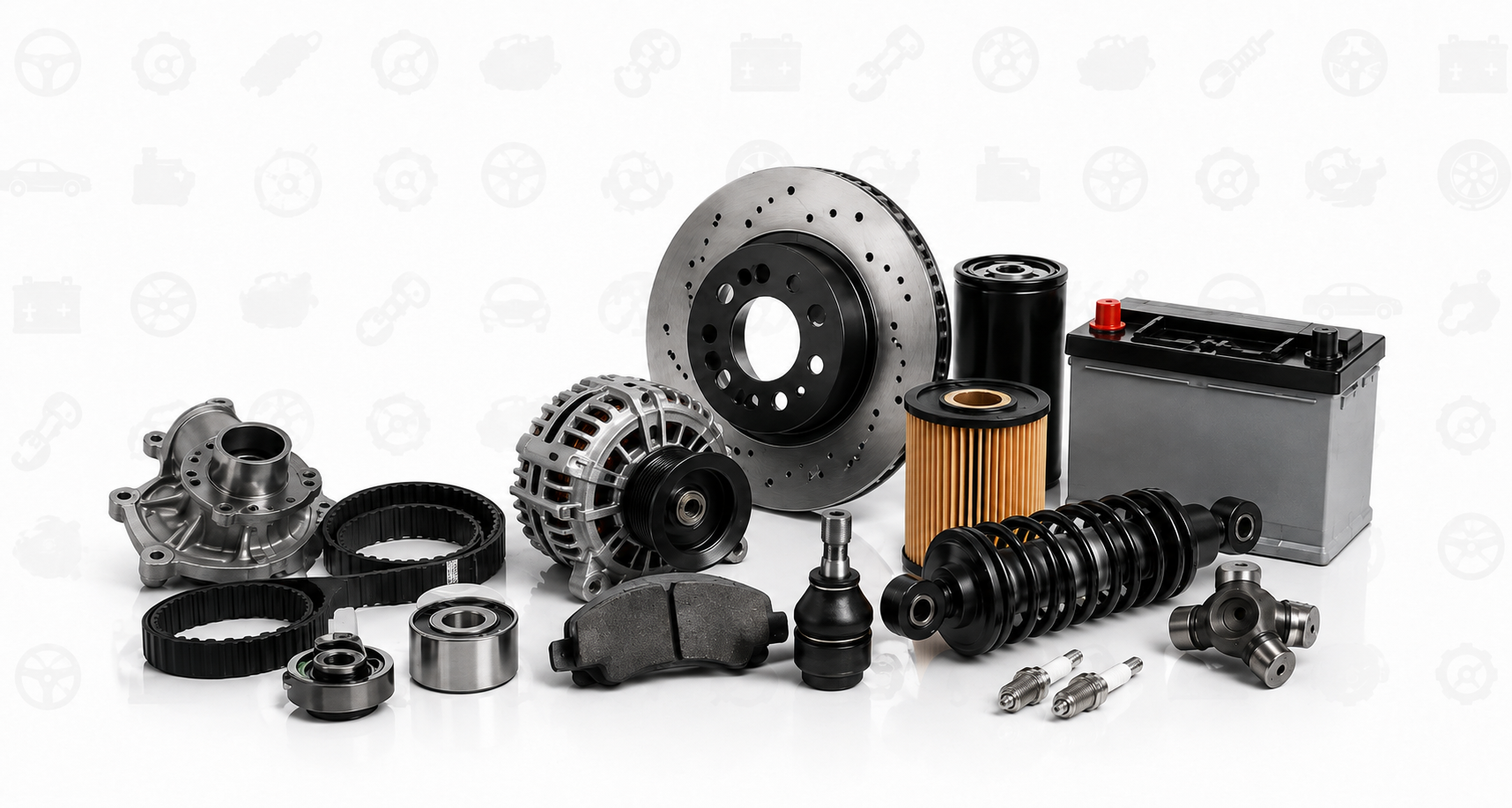
Counterfeit automotive spare parts are an ever-growing concern that the whole world is facing. Ranging from brake pads and filters to engine parts, counterfeits are on the rise and impacting the brand reputation of the automotive companies, apart from creating grave safety concerns. Automotive companies are finding themselves under immense pressure.
This OEM Hologram Label Case Study illustrates the successful adoption of custom hologram labels for the authentication of automobile spare parts in the automobile OEM to prevent any counterfeiting, enable better traceability, and increase channel confidence. The automobile OEM was able to change its approach to authenticating its spare parts by implementing the multi-layered anti-counterfeit hologram solution.
Introduction:
Counterfeit automotive spare parts are an ever-growing concern that the whole world is facing. Ranging from brake pads and filters to engine parts, counterfeits are on the rise and impacting the brand reputation of the automotive companies, apart from creating grave safety concerns. Automotive companies are finding themselves under immense pressure.
This OEM Hologram Label Case Study illustrates the successful adoption of custom hologram labels for the authentication of automobile spare parts in the automobile OEM to prevent any counterfeiting, enable better traceability, and increase channel confidence. The automobile OEM was able to change its approach to authenticating its spare parts by implementing the multi-layered anti-counterfeit hologram solution.
Background: The OEM and Its Challenge
The OEM has diversified operations in various regions with a huge network of distributors, dealers, and service centres. The company’s spare parts catalogue comprises thousands of SKUs, most of which are of high value and are often counterfeited.
Primary Challenges Facing
- Increasing Counterfeit Cases
Copies of spare parts were illegally getting into the aftermarket, sometimes repackaged to be very similar to their original counterparts.
The end customers accused the OEM of delivering low-quality components even when the products were counterfeit.
The counterfeit parts were difficult for car dealers to distinguish from authentic ones.
- Absence of an Authentication Mechanism
The current packaging did not have any trustworthy visual or tamper-proof security features.
The OEM required a solution that was scalable, economical, and very secure, and could be applied to all types of spare parts.
Solution Description: Personalized Holographic Sticker Solution for Car Components
After a thorough review of various anti-counterfeiting technologies, the OEM chose the use of custom holographic stickers on autos as the central security feature.
The move was informed by the needs for:
- Simple visual authentication
- Excellent counterfeit deterrence
- Tamper evidence
- Handling customization in line with the OEM’s branding
Why Choose Hologram?
Holograms provide layered security, which is very hard to counterfeit. As and when they are personalized for the OEM, they provide great assistance as brand protection.
The Security Hologram for Spare Parts: Design and Development
The initiative started with a consultation process that helped understand OEM products and their packaging as well as distribution channels.
Key design elements included:
- Logo da OEM incorporates no holograph
- Brand-specific colors and patterns
- Microtext visible only under magnification
- Advanced Optical Features
- 2D/3D kinetic effects
- Multiple viewing angles
- Dynamic light movement to aid instant verification
- Tamper-Evident Construction
An important consideration was to ensure that, once removed, this hologram could never be reused.
- Destructive adhesive layer
- “VOID / OPEN” residue when removed
- To prevent reapplication, fragmentation
This ensured the tamper-evident hologram sticker was integrated with the packaging and not simply a label.
Implementation Strategy
The implementation was expected to take place in phases so as not to disrupt operations.
- Phase 1: Pilot Deployment
- High-risk spare parts identified (Fast-moving items – High-value items)
- Limited Geographic Roll-Out
- Training sessions with dealers and distributors held
- Phase 2: Full-Scale Implementation
- All kinds of spares will be covered
- Standardization of Hologram Location on Package Products
- Integration with OEM Quality Control Processes
The OEM made sure that the security hologram for spare parts was on every authorized spare part that left the factory, ensuring ease of authentication at every checkpoint.
How the Anti-Counterfeit Hologram Solution Works
The anti-counterfeit hologram system developed offers the following levels of protection:
The holographic displays clearly visible on products enable dealers and consumers to distinguish between counterfeit and authentic items easily and immediately.
Features that are hidden from everyone else, but the OEM itself, satisfy the purpose of authenticity assurance.
If any kind of attempt is made towards the removal or reuse of the hologram, defects are observable, indicating possible product tampering.
A product lacking or having a defective hologram can be readily rejected by a distributor.
However, technology by itself is not sufficient. The OEM also utilized, as a complement to the hologram implementation:
- Dealer educational information
- Hologram identification visual aids.
- Training of warehouse and servicing personnel
This resulted in a standardized authentication process across the entire supply chain.
- Results and Business Impact
Soon after the implementation, the OEM noted noticeable improvements.
Measurable Outcomes
- Reduction in Counterfeit Complaints
Complaints related to counterfeit products fell more than 60% within the first year.
- Enhanced Dealer Confidence
Dealers observed increased trust in the authenticity of spare parts, which resulted in higher sales of authentic parts.
- Enhancing Brand Protection
The brand integrity of the OEM was enhanced because the customers linked the hologram with authenticity and quality.
The visual verification process helped to speed up the inspection process for the warehouses and service centres.
This specific OEM hologram label example illustrates the successful integration of a holographic program into a commercial setting.
Why Customization Is Important for Automotive Hologram Stickers
Generic holograms provide only protection. However, the custom hologram stickers for car manufacturers entail the following:
- Exclusive designs that counterfeiters cannot easily source
- Brand-specific visual identity
- Higher legal enforceability against counterfeiters
- Stronger consumer recognition
This personalizes the hologram and makes it more of a brand than a security feature.
Future Scalability and Upgrades
Encouraged by the success of the initial rollout, the OEM is exploring enhancements such as:
- Serial numbering for batch-level tracking
- QR code integration for consumer verification
- Digital trace-and-track systems linked with holograms
This layered approach ensures long-term protection as counterfeit techniques evolve.
Key Takeaways
- Counterfeit spare parts pose serious safety and brand risks for automotive OEMs.
- A well-designed security hologram for spare parts is a proven and effective deterrent.
- Tamper-evident hologram stickers prevent reuse and signal unauthorized handling.
- Customization is critical for maximum protection and brand alignment.
- A phased rollout and dealer training ensure successful adoption.
Conclusion:
This case study highlights how the top automotive OEM safeguarded the entire aftermarket value chain by utilizing customized hologram stickers for car spare parts. The implementation of an efficient anti-counterfeit hologram solution helped the OEM secure the trust and reputation of its customers and, in turn, the entire organization.
For automotive manufacturers dealing with the same set of issues, hologram security functions not only as a safety feature but also acts as an investment in quality, safety, and brand value as well.