If you are trying to understand how to protect brand from counterfeiting, the first mistake to avoid is treating counterfeiting as a single packaging problem. A fake product can enter the market through copied packaging, product substitution, reused genuine packs, unauthorized distribution, duplicate authentication codes, or manipulation at any point in the supply chain.
That is why effective brand protection normally uses layers. A visible hologram may help someone recognise an authentic pack. A tamper-evident seal can show that the pack has been disturbed. A unique code can link the physical product to a digital record, while track and trace can provide visibility into how the product moved through selected supply chain checkpoints.
Veritech brings these physical and digital approaches together through its anti-counterfeiting solutions, including secure holograms, tamper-evident solutions, authentication and digital traceability.
Start by Understanding How Your Product Can Be Counterfeited
Before selecting any security technology, map the actual threat.
A pharmaceutical carton and an automotive spare part may both need authentication, but their vulnerabilities can be very different. The medicine may face package substitution or unauthorized repacking. A spare part may face copied outer packaging, a fake component placed inside genuine-looking packaging or warranty misuse later in its lifecycle.
Ask where an attacker has the easiest opportunity:
- Can the complete product be copied?
- Can genuine packaging be collected and reused?
- Can a label be removed from one product and applied to another?
- Can a generic QR code be copied?
- Can genuine stock be diverted into an unauthorized channel?
- Can a counterfeit part enter a warranty or service process?
A security programme is stronger when each selected feature answers a specific weakness rather than adding complexity for appearance alone.
How to Protect Brand from Counterfeiting with Layered Security
A useful starting point is to divide physical authentication into overt, covert and forensic controls. Veritech uses these three security levels across its anti-counterfeiting portfolio.
Overt Authentication
Overt features are intended to be recognised without specialist equipment. A colour-changing optical effect, visible movement, customised holographic image or other defined visual feature can give consumers, dealers and field staff a quick first-level check.
The important word is defined. A shiny sticker is not useful authentication if nobody knows what visual behaviour to look for.
Covert Authentication
Covert elements are less obvious. They may require magnification, controlled illumination or another verification method.
These are useful when dealers, inspectors or brand-protection teams need a second check that is not widely disclosed.
Forensic Authentication
Forensic security is intended for specialist verification and investigations. These features should not be confused with ordinary consumer authentication.
For higher-risk products, the three levels can complement each other rather than compete.
Use Secure Holograms Where Visual Authentication Matters
Custom secure holograms can create recognisable optical effects while increasing the technical difficulty of reproducing a convincing security feature. Veritech’s current hologram portfolio includes conventional secure holograms and Nano-Optics OVD technology, with its origination infrastructure including Kinemax and Picomaster systems.
Holograms work particularly well when a distributor, technician or consumer needs a fast visual reference.
They do not, however, tell you everything about a product’s journey. A hologram may indicate that packaging looks authentic, but it cannot by itself tell a business whether genuine stock was diverted into an unauthorized market.
That requires another layer.
Add Tamper Evidence to Protect Packaging Integrity
Authentication asks, “Does this appear genuine?”
Tamper evidence asks, “Has someone tried to open, remove or interfere with this?”
Veritech’s tamper-evident seals include constructions such as VOID tamper, destructible vinyl, full-release tamper and honeycomb tamper. Different constructions leave different evidence when removal is attempted.
For example, a VOID label can leave a visible message after removal. Destructible vinyl breaks into pieces, making clean reuse difficult. The correct option depends on the surface, adhesive behaviour, application environment and where the evidence needs to appear.
This is why testing on the real substrate matters. A security label that performs well on a smooth carton may behave differently on textured plastic, coated metal or a curved component. Final samples should be tested on the actual application surface before commercial production.
Give Every Product a Digital Identity Where Needed
Physical security answers only part of the problem.
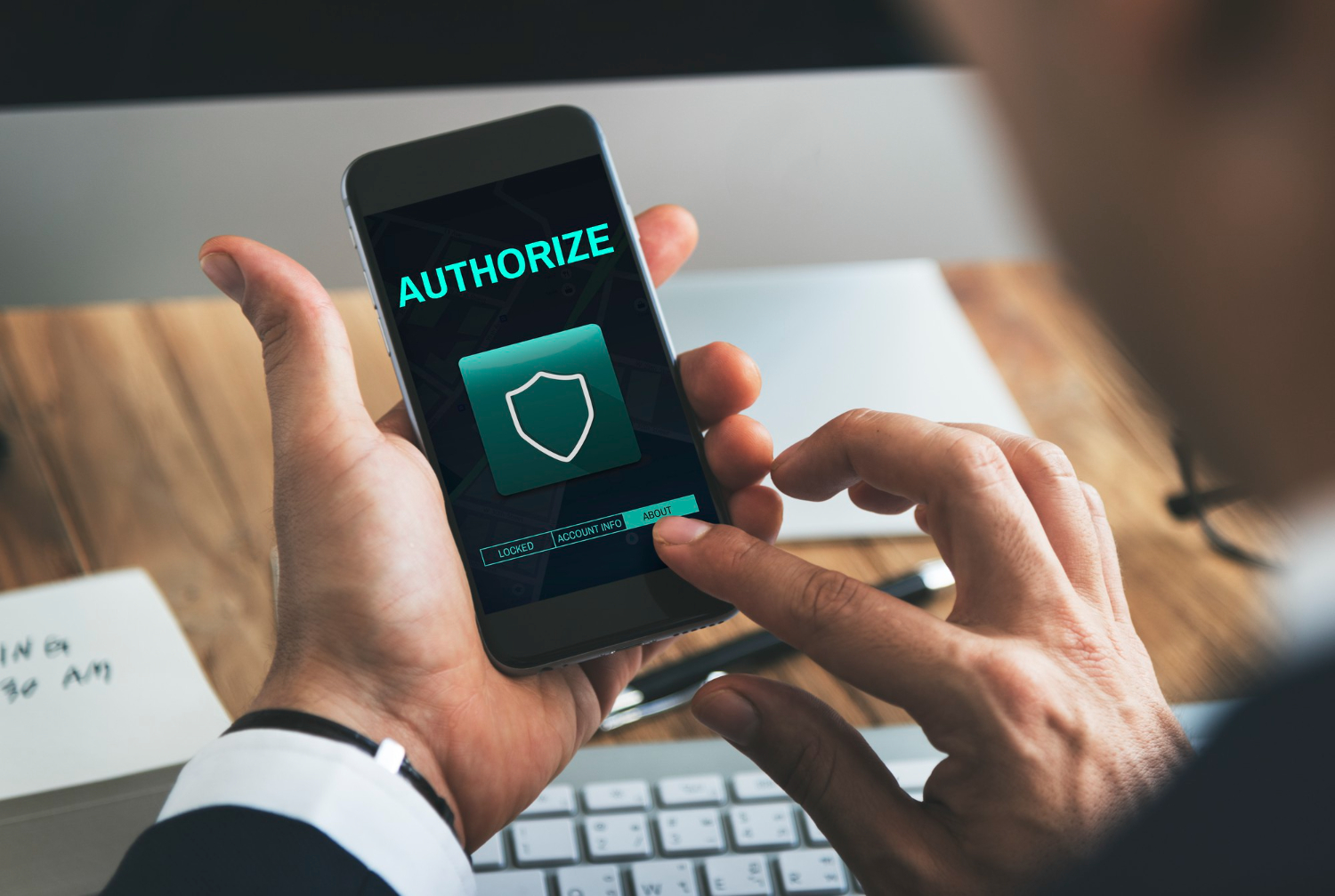
For products that require item-level verification, brands can use serialization, unique QR codes, barcodes or other identifiers. Veritech’s product authentication and verification solutions connect physical packaging with digital verification methods.
A unique identifier is more useful than a generic QR code because each unit can have its own digital record.
That can support use cases such as:
- Authenticity checks
- Duplicate-scan investigation
- Warranty registration
- Dealer verification
- Product-level traceability
A code should still be treated as part of the system rather than the complete security system. If the same printed identity can simply be copied and the backend accepts every scan without analysing behaviour, the code alone offers limited protection.
Track Product Movement Beyond the Factory
Authentication and traceability solve related but different questions.
Authentication helps determine whether an item is genuine. Track and trace helps record where identified products have moved and which events occurred during their journey.
Veritech’s track and trace solutions can connect serialized labels, QR codes, barcodes, serial numbers and digital records. Selected events can include packing, dispatch, transfer, receipt, claims and verification. Irregular scan patterns may highlight possible duplication, diversion, misuse or process gaps.
The value is not in collecting more scans. It is in deciding what happens when a suspicious event appears.
If a product is scanned in two distant markets within an unrealistic period, who investigates it? If an identifier is repeatedly verified, what threshold triggers review? A strong system defines those actions before rollout.
Match Security to the Product Risk
Consider four different examples.
Automotive spare parts: visual holograms can support quick dealer checks, while tamper evidence can discourage label reuse. Serialization can support warranty verification and traceability.
Pharmaceutical packaging: packaging integrity, authentication and controlled traceability may all matter, particularly where unauthorized repacking or substitution is a concern.
FMCG: high volumes may require security features that are easy for consumers and channel teams to recognise without slowing packaging operations.
Agrochemicals: products may travel through extended dealer networks, so physical authentication can become more useful when paired with digital verification and distribution visibility.
Veritech serves sectors including automotive, medicine and healthcare, FMCG, beauty and personal care, apparel, home appliances, agrochemicals and tobacco.
Common Brand-Protection Mistakes
Many programmes become weak not because the technology is poor, but because the implementation is disconnected from real product behaviour.
Common mistakes include relying on one visible feature, using copied or non-unique codes, approving labels without testing the actual substrate, collecting scan data without an exception-response process, ignoring unauthorized distribution and failing to train the people expected to authenticate products.
Another mistake is making authentication too complicated. If a retailer needs specialist knowledge for every basic check, the feature may not be used consistently.
The strongest approach assigns different checks to different users: consumers get a simple overt or digital check; channel staff may have additional verification; investigators retain restricted covert or forensic methods.
How Veritech Supports Layered Brand Protection
Veritech’s current portfolio combines physical security, packaging, labels and digital solutions. The company has more than 30 years of experience and serves thousands of customers across multiple countries through a broad international network.
The practical advantage of this broader approach is not that every product needs every technology. It is that a brand can start with its threat model and select the appropriate layers: holography for visual authentication, tamper evidence for packaging integrity, unique identities for verification and track and trace for supply-chain visibility.
For a deeper look at physical packaging controls, Veritech’s guide on how security labels and seals protect products provides additional context.
Final Takeaway
Learning how to protect brand from counterfeiting starts with identifying how a fake, substituted or diverted product could realistically enter the market.
Do not begin by choosing a sticker.
Begin with the threat. Decide who needs to authenticate the product, where interference can happen, what data should be captured and what the business will do when something looks wrong. Then select the physical and digital controls that address those risks.
That creates a brand-protection system instead of a collection of security features.
Frequently Asked Questions
Can holograms completely stop product counterfeiting?
No single hologram or security feature can guarantee that counterfeiting will stop. A customised hologram can make convincing replication more difficult and provide a clear authentication reference, but higher-risk products generally benefit from layered controls such as tamper evidence, serialization and digital verification.
Are QR codes enough for anti-counterfeiting?
A unique QR code can support digital authentication, but its effectiveness depends on how the identifier is generated, validated and monitored. Combining digital verification with physical security can provide users with more than one way to assess authenticity.
What is the difference between authentication and track and trace?
Authentication asks whether a product or identifier is genuine. Track and trace records selected movements and events associated with that identity as it travels through the supply chain. The two capabilities can be integrated but perform different jobs.
Which industries need anti-counterfeit protection?
Any industry exposed to imitation, diversion, warranty fraud or unauthorized repackaging can benefit. Veritech serves sectors including automotive, medicine and healthcare, FMCG, beauty and personal care, apparel, home appliances, agrochemicals and tobacco.