Hologram Label vs QR Code Authentication: Which Is Right for Your Brand?
Published on 08 Jun 2026
In today's highly competitive marketplace, protecting products from duplication is no longer optional. As counterfeiters become increasingly sophisticated, brands across industries are investing in advanced authentication technologies to safeguard their reputation, customers, and revenue.
Among the most effective anti-counterfeit solutions available today are hologram labels and QR code authentication systems. Both are designed to verify product authenticity and combat product counterfeits, but they serve different purposes and offer unique advantages.
So, which solution is right for your brand?
In today’s highly competitive marketplace, protecting products from duplication is no longer optional. As counterfeiters become increasingly sophisticated, brands across industries are investing in advanced authentication technologies to safeguard their reputation, customers, and revenue.
Among the most effective anti-counterfeit solutions available today are hologram labels and QR code authentication systems. Both are designed to verify product authenticity and combat product counterfeits, but they serve different purposes and offer unique advantages.
So, which solution is right for your brand?
The answer depends on your industry, customer behavior, supply chain requirements, and business goals. This guide explores the strengths, limitations, and ideal use cases of hologram labels and QR code authentication to help you make an informed decision.
Why Product Authentication Matters More Than Ever
Counterfeit products have become a global challenge affecting industries such as pharmaceuticals, electronics, FMCG, cosmetics, automotive components, luxury goods, and consumer products.
Product counterfeits can lead to:
Revenue losses
Damage to brand reputation
Customer dissatisfaction
Legal and regulatory issues
Health and safety risks
As counterfeiters continue to evolve their methods, brands need authentication solutions that provide both visible and digital layers of protection.
This is where hologram labels and QR code authentication come into play.
What Is a Hologram Label?
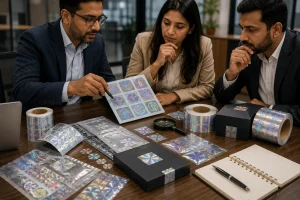
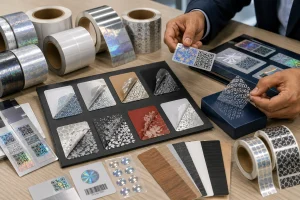
A hologram labelis a visually secure authentication feature designed using advanced optical technologies. These labels display unique visual effects, colors, patterns, and security elements that are difficult to replicate.
Security holograms are widely used because they offer instant product verification without requiring any external device.
Because holograms are highly visible, they act as a strong deterrent against counterfeiters while reassuring customers about product authenticity.
Benefits of Hologram Labels
1. Instant Visual Verification
One of the biggest advantages of a hologram label is that customers can verify authenticity immediately.
There is no need for:
Smartphones
Internet connectivity
Mobile applications
Additional verification steps
The visual security element can be inspected directly by distributors, retailers, inspectors, and end consumers.
2. High Tamper Resistance
Many security holograms are designed to self-destruct or leave a visible mark when removed.
This makes unauthorized tampering immediately detectable and prevents labels from being reused on counterfeit products.
3. Strong Brand Protection
Custom hologram labels can include:
Company logos
Microtext
Hidden security features
Serial numbering
Proprietary designs
These features create multiple layers of protection against duplication.
4. Premium Product Appeal
Luxury brands frequently use hologram labels because they enhance packaging aesthetics while communicating authenticity and quality.
Industries That Benefit Most from Hologram Labels
Hologram labels are particularly effective for:
Pharmaceuticals
Luxury products
Government documents
Educational certificates
Automotive spare parts
FMCG packaging
Consumer electronics
For products that require quick authentication at retail points, holograms remain one of the most trusted solutions.
What Is QR Code Authentication?
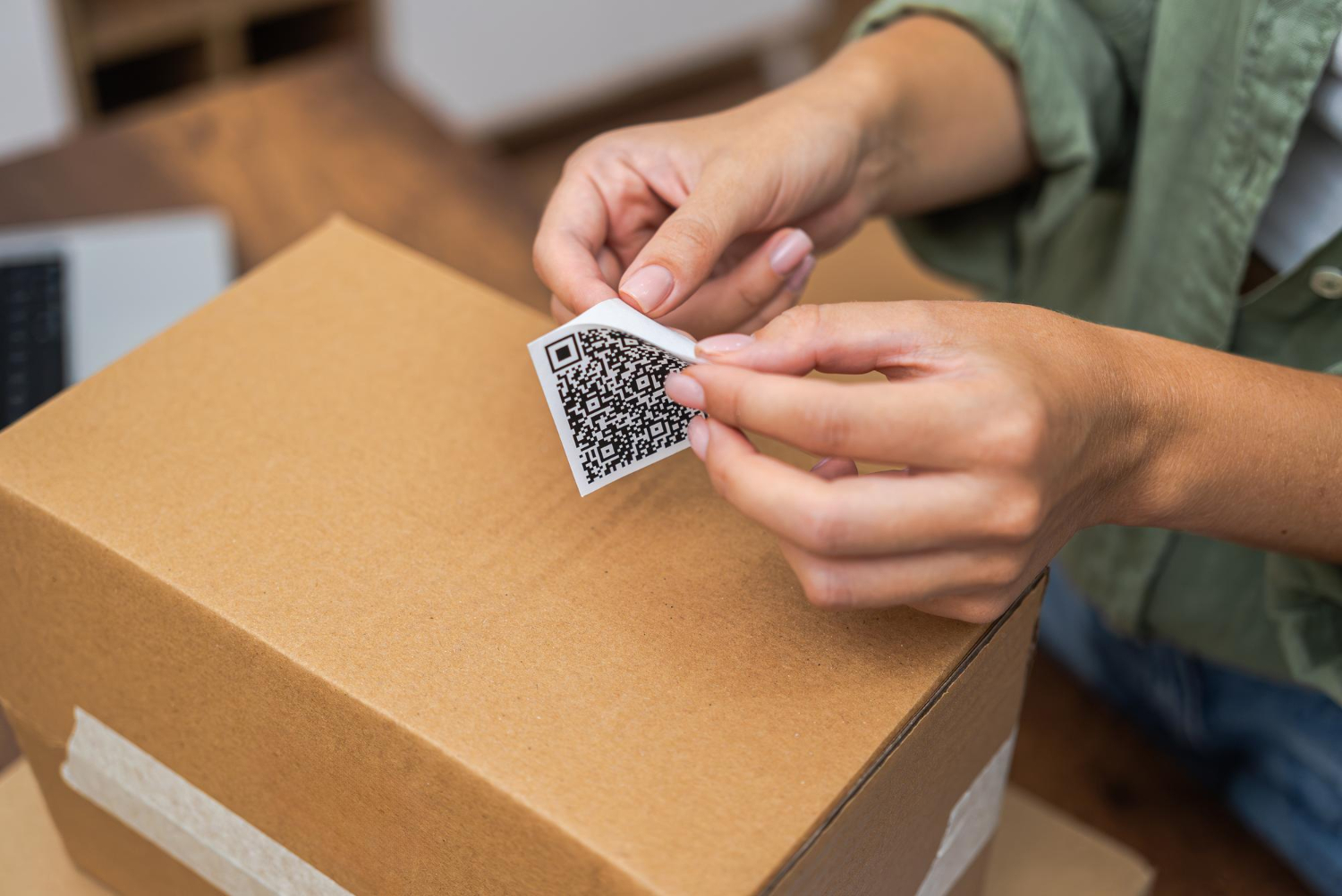
QR code authentication is a digital verification method that allows users to scan a unique code using a smartphone.
Unlike traditional QR codes, modern authentication systems use serialized and encrypted QR codes linked to secure databases.
Each scan can provide real-time information about the product’s authenticity and journey through the supply chain.
Benefits of QR Code Authentication
1. Advanced Product Traceability
Every QR code scan generates valuable data such as:
Location
Time of scan
Scan frequency
Supply chain movement
This information enables brands to track products throughout distribution channels.
2. Strong Anti-Counterfeit Security
Serialized QR code authentication assigns a unique identity to every product unit.
If a counterfeit product uses a copied QR code, duplicate scan patterns can be detected instantly, helping brands identify fraud attempts.
3. Customer Engagement Opportunities
QR codes transform authentication into a customer interaction tool.
After scanning, customers can access:
Product information
Usage instructions
Warranty registration
Loyalty programs
Promotional campaigns
Product origin details
This creates a direct connection between brands and consumers.
4. Supply Chain Visibility
Brands gain valuable insights into:
Product movement
Distribution channels
Grey market activities
Unauthorized reselling
Geographic demand patterns
Such intelligence helps improve operational efficiency and security.
Industries That Benefit Most from QR Code Authentication
QR code authentication is especially useful for:
Consumer electronics
Apparel brands
Cosmetics
Food and beverage products
FMCG products
E-commerce brands
Healthcare products
Businesses looking to combine security with digital engagement often prefer QR-based authentication systems.
Hologram Label vs QR Code Authentication: Key Comparison
Feature
Hologram Label
QR Code Authentication
Verification Method
Visual inspection
Smartphone scanning
Authentication Speed
Instant
Requires scanning
Internet Requirement
No
Usually Yes
Tamper Detection
High
Moderate to High
Product Tracking
No
Yes
Customer Engagement
Limited
Extensive
Data Analytics
None
Comprehensive
Supply Chain Monitoring
Limited
Excellent
Brand Experience
Premium visual appeal
Interactive digital experience
Which Solution Is Better for Preventing Product Counterfeits?
The answer depends on your specific requirements.
Choose Hologram Labels If:
You need instant visual authentication.
Your customers may not use smartphones regularly.
You operate in fast-moving retail environments.
Physical tamper evidence is a priority.
You want a premium packaging appearance.
Choose QR Code Authentication If:
You require product traceability.
Customer engagement is important.
Supply chain visibility is essential.
You need scan-based analytics.
You want to build digital experiences around products.
The Hybrid Approach: The Best of Both Worlds
Many leading brands no longer view hologram labels and QR code authentication as competing technologies.
Instead, they combine both into a multi-layered authentication strategy.
A hybrid solution offers:
Layer 1: Visible Security
The hologram label provides immediate visual proof of authenticity.
Layer 2: Digital Verification
The QR code authentication system validates each product through a secure database.
Layer 3: Supply Chain Intelligence
Serialized QR codes deliver tracking, monitoring, and analytics capabilities.
Layer 4: Customer Engagement
Consumers gain access to valuable information and interactive brand experiences.
This approach significantly increases the difficulty for counterfeiters while improving brand protection.
Questions to Ask Before Choosing an Authentication Solution
Before implementing a product authentication system, consider the following:
1. How Do Customers Verify Products?
If customers need quick verification in retail environments, hologram labels may be more practical.
If they are comfortable using smartphones, QR code authentication offers additional benefits.
2. Do You Need Product Tracking?
Brands seeking end-to-end supply chain visibility should prioritize QR-based solutions.
3. What Is Your Counterfeit Risk Level?
High-risk industries often benefit from layered security systems that combine holograms with serialized QR codes.
4. Do You Want Customer Engagement?
If customer interaction is part of your growth strategy, QR authentication provides valuable opportunities beyond security.
Future of Brand Protection and Product Authentication
As counterfeit networks become more sophisticated, authentication technologies are evolving rapidly.
The future of anti-counterfeit protection includes:
Smart holograms
Dynamic QR codes
Blockchain verification
Mobile authentication platforms
AI-powered counterfeit detection
Track-and-trace ecosystems
Brands that adopt advanced authentication technologies today will be better positioned to protect their customers, products, and reputation tomorrow.
Conclusion
When comparing hologram labels and QR code authentication, there is no universal winner.
A hologram label excels in instant visual verification, tamper evidence, and premium product presentation. QR code authentication delivers powerful digital capabilities including product traceability, customer engagement, and real-time analytics.
For many businesses, the most effective strategy is a hybrid authentication solution that combines the visible security of hologram labels with the intelligence and scalability of QR code authentication.
At Veritech, we help brands implement advanced authentication and anti-counterfeit solutions designed to protect products, strengthen customer trust, and reduce the risk of product counterfeits across the supply chain.
By choosing the right authentication strategy today, your brand can stay one step ahead of counterfeiters tomorrow.