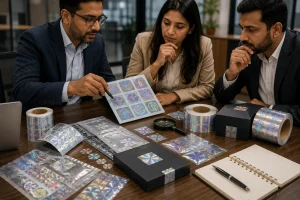
The dangers of forgery, counterfeiting, and tampering are rapidly increasing in today's global market, presenting significant challenges in the protection of products and documents for both businesses and individuals. Security printing has emerged as a solution to these concerns, ensuring the safety and integrity of packaging and documentation. Let’s explore how security printing acts as a shield against counterfeiters and fraudsters through its key benefits.
What is Security Printing?
The dangers of forgery, counterfeiting, and tampering are rapidly increasing in today’s global market, presenting significant challenges in the protection of products and documents for both businesses and individuals. Security printing has emerged as a solution to these concerns, ensuring the safety and integrity of packaging and documentation. Let’s explore how security printing acts as a shield against counterfeiters and fraudsters through its key benefits.
What is Security Printing?
Security printing refers to advanced printing techniques designed to prevent illegal duplication, alteration, and reproduction. These techniques include holograms, watermarks, microtext, and tamper-evident seals, among others. They are essential for product packaging and security documents like passports and pharmaceutical labels.
Advantages of Security Printing for Packaging Products
1. Anti-Counterfeiting Packaging
Counterfeit products pose a significant threat to consumer safety and brand reputation. Security printing addresses this by incorporating unique features into packaging that are difficult to replicate. Some of these features include:
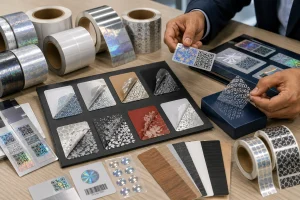
- Holographic Labels: Shiny, 3D labels that are hard to copy.
- QR Codes: Scannable codes for authenticating products.
- Invisible Inks: Hidden messages or symbols that are only visible under UV light.
Industries such as pharmaceuticals, electronics, and luxury goods particularly benefit from anti-counterfeiting packaging. By using security printing, companies can reassure customers that their products are both genuine and safe.
2. Tamper-Evident Packaging
Tampering with product packaging can have serious consequences, especially in industries like food and medicine. Security printing enhances tamper-evident packaging by incorporating visual indicators that show if a package has been opened or altered. For example:
Void Seals: Labels that leave behind a “void” message when removed.
Breakable Seals: Packaging components that cannot be resealed once opened.
This not only protects consumers but also helps businesses maintain trust and comply with safety regulations.
Benefits of Security Printing for Document Protection
1. Enhanced Document Security Features
Advanced security is essential to prevent the forgery of sensitive documents such as passports, certificates, and banknotes. Security printing adds multiple layers of protection to ensure authenticity. Features include:
Watermarks: patterns or designs embedded into the paper that are visible when held up to the light.
Microtext: Tiny text that can only be read under magnification, making duplication nearly impossible.
Holographic Foils: Reflective overlays that add a striking and secure visual element to the document.
These features not only deter forgery but also make it easier to verify the legitimacy of documents.
2. Prevention of Forgery and Fraud
Forgery is a costly issue for businesses, governments, and individuals. Security printing significantly reduces the risk of document fraud by employing techniques that are difficult and expensive to replicate. Whether protecting legal contracts or academic diplomas, these features safeguard the integrity of essential records.
Real-World Applications of Security Printing
Security printing has broad applications across various sectors. Here are some examples:
Pharmaceuticals: Secure labels ensure that medicines are authentic and untampered with.
Banking and Finance: Checks and currency incorporate watermarks and microtext to prevent forgery.
Government Documents: Passports and IDs use holograms and RFID-enhanced security to prevent forgery.
E-commerce: Tamper-evident packaging ensures that products reach customers in their original state.
Emerging Trends in Security Printing
The field of security printing continues to evolve to address emerging challenges. Notable trends include:
Digital Security Printing: Utilizing blockchain technology and other digital authentication methods for enhanced security.
Sustainability: Using ecologically friendly materials for security printing to reduce environmental impact.
Customization: Developing security features tailored to specific brands or industries’ requirements.
These advancements help security printing stay one step ahead of counterfeiters and fraudsters.
Conclusion
In an age where products and documents can be easily reproduced, security printing is one of the best options for protecting merchandise and private data. Anti-counterfeiting packaging, tamper-evident seals, and advanced security features in documents can prevent damage to a brand’s reputation and ensure compliance with government regulations.
Whether you’re a business looking to secure your product packaging or an organization seeking to protect critical documents, investing in security printing is an essential step toward ensuring safety and authenticity. With its proven track record and continuous advancements, security printing remains a cornerstone of modern protection strategies.
FAQs
What is the primary purpose of security printing?
Security printing prevents counterfeiting, tampering, and forgery in products and documents.
Which industries can greatly benefit from security printing?
Industries in pharmaceuticals, electronics, banking, and government greatly benefit from security printing.
What are the features of tamper-evident packaging?
Tamper-evident packaging includes seals and indicators that are triggered when the product is opened or tampered with.
How does security printing safeguard sensitive documents?
Watermarks, holograms, and micro text in security printing help protect sensitive documents against forgery while assuring their authenticity.
Is the solution from security printing environment friendly?
Many companies are adopting sustainable practices, such as using eco-friendly materials and inks.