
Yes. Size, artwork, material, adhesive, security feature, code format and variable data can be customised after reviewing the application.

Serialized labels give each product, pack or batch a distinct identity. That identity can support authentication, traceability, warranty, loyalty, inventory control or field verification, depending on how the label is designed and used.
Veritech plans intelligent labels around the product surface, adhesive system, pack format, line speed, variable data and security risk. The result should be easy to apply, easy to inspect and strong enough for the handling conditions the pack will face.
What are Serialized labels?
Serialized labels carry unique data such as serial numbers, QR codes, barcodes or coded identifiers. Each label can connect a physical pack with a digital record, verification event or reporting workflow.
The construction matters as much as the data. A label that curls, smudges, tears too early or fails on the chosen surface will not protect the product properly. Adhesive, face stock, print finish and variable data should be planned together.
For search, the page should explain Serialized labels in a way that helps buyers compare them with security barcode labels, authentication sticker options and custom security labels.
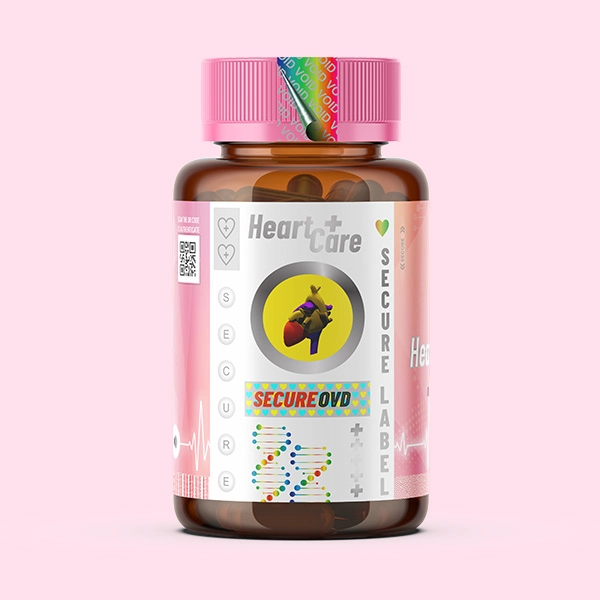
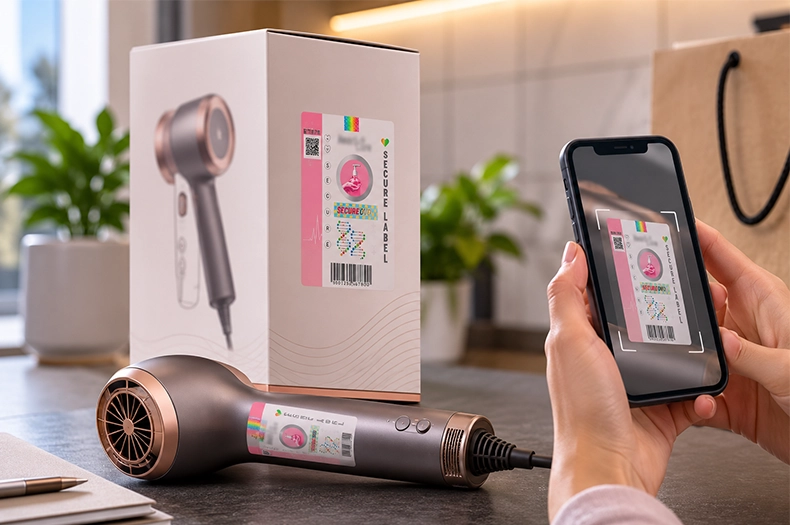
Buyers usually look for intelligent labels when product identity needs to stay clear after dispatch. They may want to reduce counterfeiting, track movement, validate warranty claims, run channel programmes or make tampering easier to notice.
Practical buyers ask direct questions. Will the label work on this surface? Can it carry variable data? Will the code remain readable after handling? Can field teams inspect it quickly? Those answers decide whether the label will actually perform.
Each label can carry a unique identifier that connects the pack with a record. This supports verification, movement tracking, claim checks or scan-based reporting.
Variable printing lets brands create different codes for items, batches, cartons or campaigns. This gives teams more control over traceability and reporting.
Intelligent labels can include visual security or tamper-evident behaviour where the risk level calls for it. The feature should make misuse easier to spot without making normal handling difficult.
When required, labels can connect with digital verification flows. This can support authentication, warranty, loyalty, inventory checks or exception reporting.
ntelligent labels fit products that need identity, traceability or verification after they leave the plant. They work best when the label construction matches the surface, pack shape, handling conditions and scan requirement.
A sample may look fine on a desk and still fail in transit or on the line. That is why rollout should include surface testing, application checks and code readability checks before wider production.
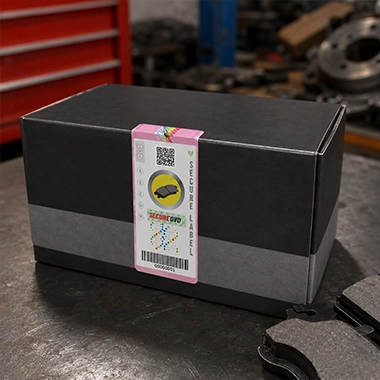

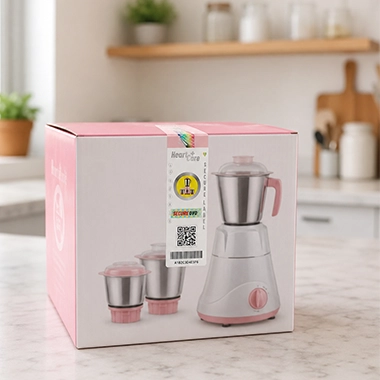
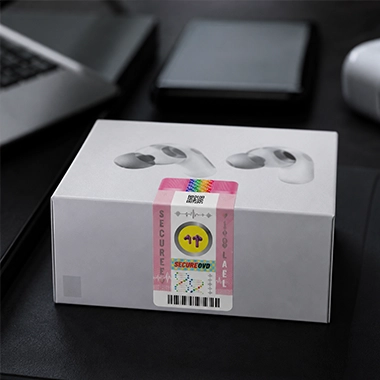
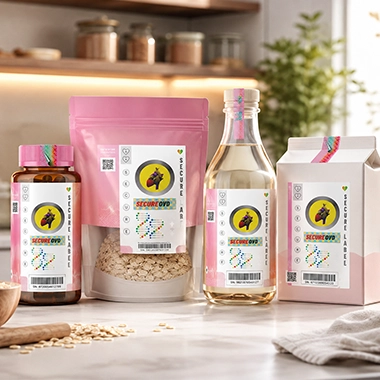
Check the surface first. Paperboard, film, metal, glass and textured plastic need different label constructions.
Review line conditions. Application speed, temperature, storage and handling affect material choice.
Decide what should happen if tampering occurs. Some packs need a visible message, while others need residue or a destructive break.
Plan the data layer early. Serial numbers, QR codes and barcodes must remain readable through production and handling.
Test the label in handling and transit before approving the final specification.
Veritech can combine label construction, security printing, holography, packaging and digital verification in one recommendation. This matters because intelligent labels often need more than one layer to perform well in the field.
A useful brief should include the product, pack surface, quantity, label size, environment, security goal, data requirement and inspection method. With those inputs, Veritech can recommend a label that fits the real application.
Before committing to Serialized labels, define what the label must do. Should it identify the product, prove authenticity, show tampering, support a scan, connect with warranty or help track movement?
Once the purpose is clear, review the surface, adhesive, print route, code size, scan distance, handling conditions and expected production volume. These details decide whether the label performs after launch.
This approach helps the page cover related searches such as security barcode labels, authentication sticker and custom security labels without making the copy repetitive.
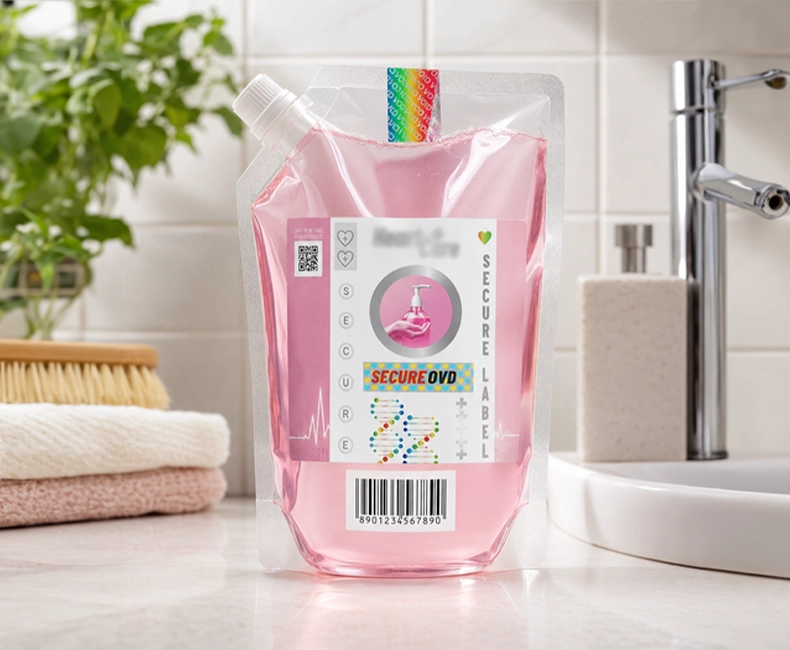
Yes. Size, artwork, material, adhesive, security feature, code format and variable data can be customised after reviewing the application.
Yes. Veritech can add variable data where the material, print route and verification process support it.
Selection depends on the substrate, pack format, application method, handling conditions, security risk and expected volume
Yes. Pack shape, surface, environment and user behaviour should be reviewed before finalising the label structure.
The most useful inputs are the substrate, pack format, quantity, environment, security goal and whether the label needs variable data, digital checks or a specific tamper response.