Introduction
In an increasingly digital world, where financial transactions are predominantly conducted online, the security of personal information has become a paramount concern. The vulnerability of bank cards, cheques, and essential documents to identity theft and fraud highlights the need for secure labeling practices. Secure labeling protects sensitive information and instills trust in financial institutions and individuals. This blog post explores the significance of secure labeling in safeguarding bank cards, cheques, and documents and discusses the various labeling methods and technologies that enhance security and deter fraudulent activities.
Understanding the Risks
Introduction
In an increasingly digital world, where financial transactions are predominantly conducted online, the security of personal information has become a paramount concern. The vulnerability of bank cards, cheques, and essential documents to identity theft and fraud highlights the need for secure labeling practices. Secure labeling protects sensitive information and instills trust in financial institutions and individuals. This blog post explores the significance of secure labeling in safeguarding bank cards, cheques, and documents and discusses the various labeling methods and technologies that enhance security and deter fraudulent activities.
Understanding the Risks
Identity theft and fraud are pervasive threats in the modern world, and bank cards, cheques, and sensitive documents are prime targets for criminals. These items contain valuable personal and financial information that can be exploited for fraud. Unauthorized access to such information can lead to unauthorized transactions, unauthorized account access, and even complete identity theft. Recognizing the risks associated with inadequate labeling and implementing adequate security measures to mitigate them is crucial.
Secure Labelling for Bank Cards
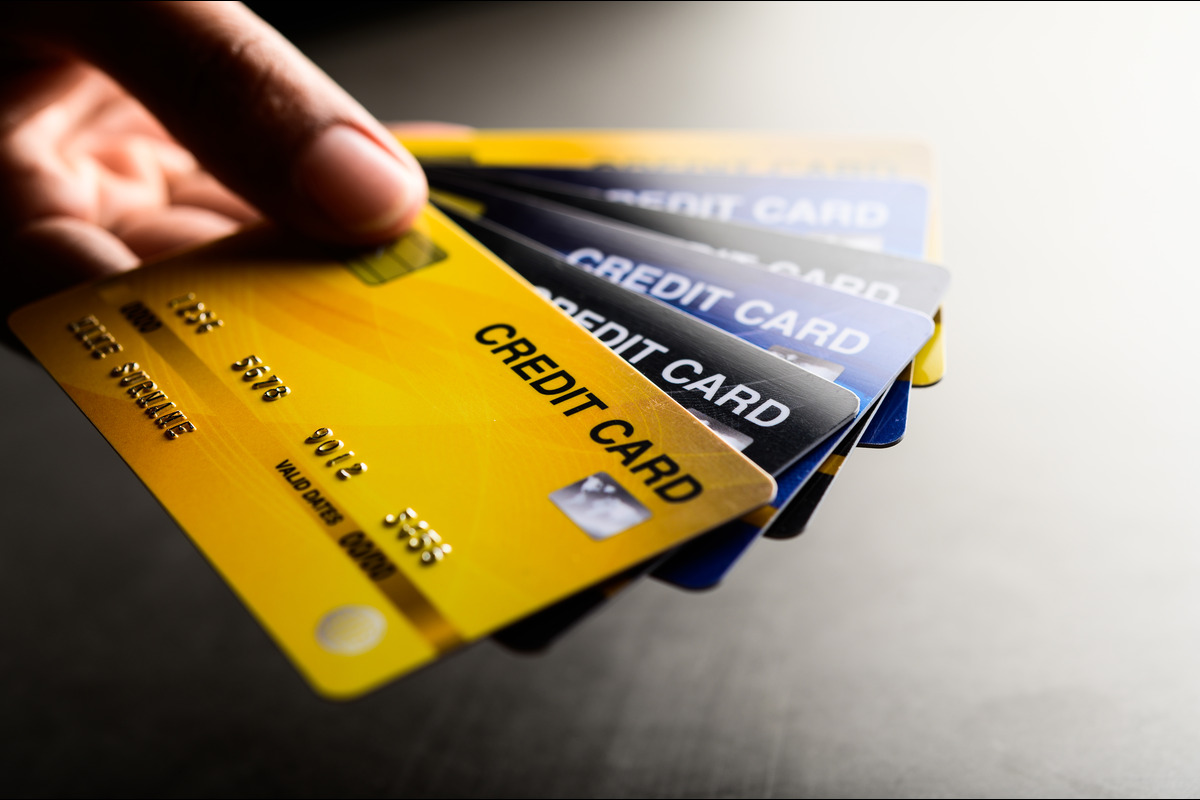
Bank cards, such as credit and debit cards, require robust labeling practices to ensure their security. Secure labeling methods include:
a) Tamper-Evident Labels: These labels leave visible signs of tampering if someone tries to remove or alter them. Tamper-evident labels provide additional protection and alert users to potential tampering attempts.
b) Holographic Labels: Holographic labels incorporate intricate designs and patterns that are difficult to replicate. They act as a visual authentication feature, making it easier for individuals and merchants to verify the card’s authenticity.
c) RFID Blocking Labels: With the rise of contactless payment technology, RFID blocking labels have become crucial. These labels incorporate shielding materials that block unauthorized access to the card’s embedded RFID chip, protecting it from data skimming or cloning.
Ensuring Cheque Security
Cheques remain a widely used payment method in many countries. However, they are susceptible to forgery and alteration. Secure labeling practices for cheques include:
a) Security Holograms: Holographic labels with unique designs and features can be applied to cheques as a security measure. These labels are difficult to replicate, making it easier to identify fraudulent cheques.
b) Void Pattern Labels: Void pattern labels create a visible “VOID” mark on the cheque when someone tries to remove or alter the label. This is a deterrent to potential fraudsters and alerts users to tampering attempts.
c) Watermark Labels: Watermark labels incorporate hidden security features that become visible when exposed to water or light. These labels provide an additional layer of security against counterfeit cheques.
Document Security with Secure Labels
Important documents, such as passports, identification cards, and certificates, require secure labeling to prevent unauthorized access and tampering. Here are some secure labeling practices for documents:
a) Document Tracking Labels: These labels incorporate unique identifiers, such as barcodes or QR codes, allowing easy tracking and verifying the document’s authenticity. Document tracking labels aid in preventing counterfeiting and unauthorized duplication.
b) Security Seals: Security seals are tamper-evident labels that provide visual evidence of tampering attempts on documents. Once broken or removed, the seal indicates potential unauthorized access to the document.
c) UV and Thermochromic Labels: Labels with UV or thermochromic properties can be applied to documents. These labels have hidden security features that become visible under specific lighting conditions or when subjected to changes in temperature. Such labels act as a deterrent to counterfeiting and tampering.
Benefits of Secure Labelling
Implementing secure labeling practices brings numerous benefits, including:
a) Enhanced Security: Secure labeling methods significantly reduce the risk of identity theft, fraud, and document tampering. This promotes trust among consumers and financial institutions.
b) Deterrent to Criminal Activities: Visible security features and tamper-evident labels deter fraudsters from attempting illegal activities.
c) Improved Authentication: Secure labeling enables individuals and organizations to authenticate bank cards, cheques, and documents with ease, reducing the likelihood of accepting counterfeit items.
d) Peace of Mind: Secure labeling provides peace of mind to individuals, knowing that their sensitive information and financial assets are protected from unauthorized access.
What is Document Security, and how can it be Safeguarded?
Information security refers to measures and practices to protect sensitive and confidential information in all kinds of situations. It includes protecting data against unauthorized use, modification, loss, or theft. Data security is critical to preventing data breaches, identity theft, fraud, and other unauthorized disclosures.
Here are some essential practices to consider to keep information safe:
- Access Control: This allows employees to restrict access to sensitive information. Passwords, encryption, and user permissions can be used to limit access to confidential information.
- Physical Security: Store physical information in a locked cabinet, room, or safe. Use monitoring and access controls to prevent unauthorized physical access.
- Document Classification: Classify documents according to their sensitivity. Use labels or icons to indicate each document’s privacy level and access restrictions.
- Security and Transactions: Use shared data security or storage solutions for digital data.
- Manage accurate tracking and recording of data entry and change.
- Document Destruction: Comply with document retention and destruction laws. Delete or destroy information no longer needed, as required by law and regulation.
- Watermarks and Digital Signatures: Use digital watermark technology to mark confidential information or symbols in documents. Digital signatures ensure the integrity of digital data by providing authentication and non-repudiation.
- Backup and recovery: regularly back up important data to ensure data recovery in case of loss, system failure or damage. Store data securely, preferably off-site or in the cloud.
- Employee Awareness and Training: Educate employees on information security best practices, including password management, anti-phishing, and confidential data security. Regular training is available to keep employees aware of new threats and security measures.
- Document Tracking: Tracking techniques such as barcodes or RFID tags track the movement of essential documents within an organization.
- Privacy Policy: Establish a data security policy that includes data handling, storage, access control, encryption, and other security measures. These policies are constantly reviewed and updated to meet evolving security standards and regulations.
Using this data security system, organizations can reduce the risk of unauthorized access, protect sensitive data, enforce compliance with data protection laws, and maintain the confidentiality and integrity of their information.
Conclusion:
Secure labeling is vital in safeguarding bank cards, cheques, and essential documents from fraud and identity theft. By implementing robust labeling practices, financial institutions and individuals can enhance security, deter criminal activities, and promote trust. Tamper-evident labels, holographic labels, RFID-blocking labels, void pattern labels, security holograms, and document-tracking labels are a few examples of the labeling methods and technologies contributing to secure labeling. By prioritizing secure labeling practices, individuals and organizations can enjoy peace of mind, knowing that their valuable assets and personal information are well-protected in an increasingly interconnected and vulnerable world.