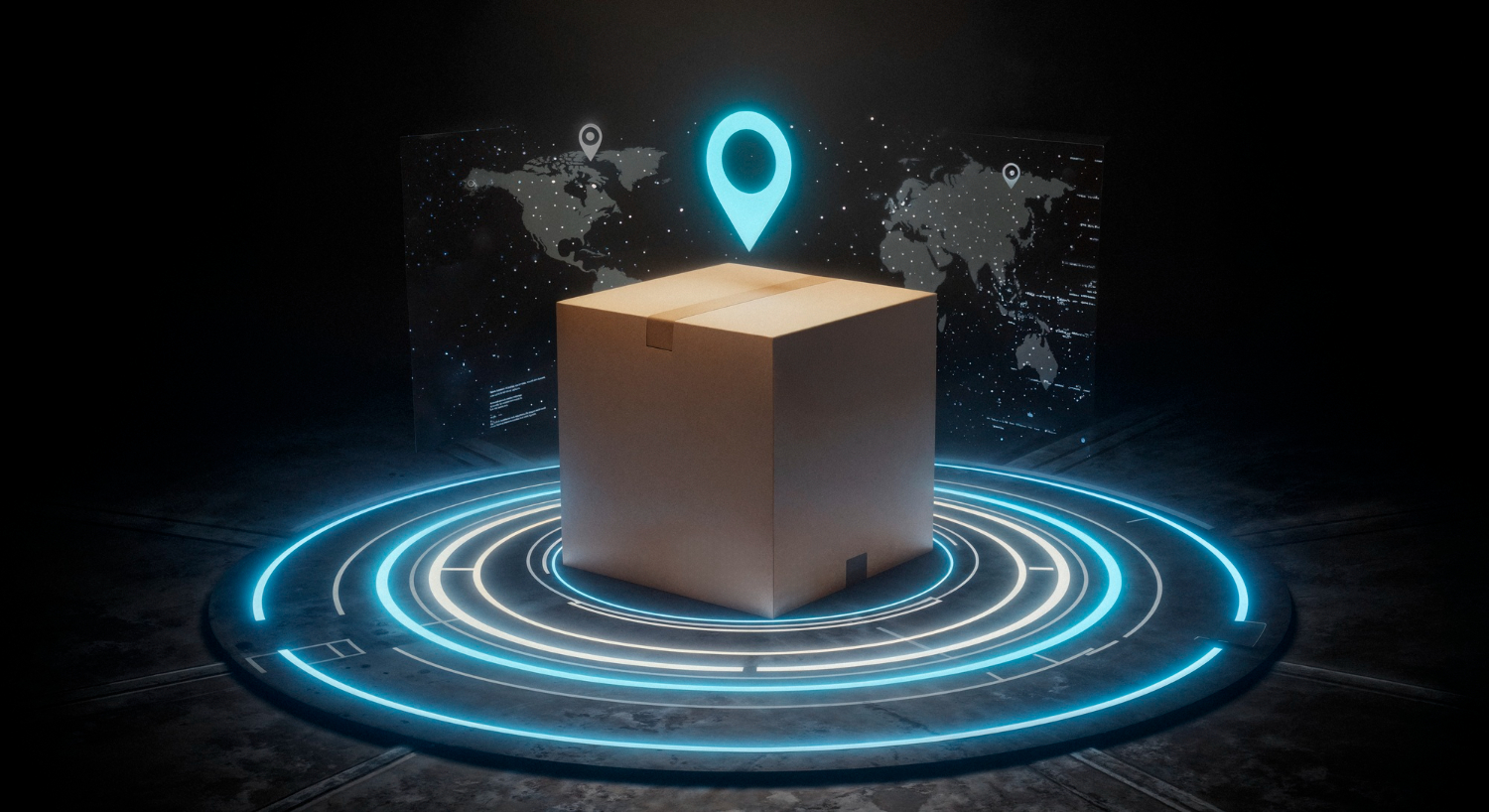
Track and trace software has evolved from a "nice to have" to an essential tool for businesses. The appropriate system can clarify whether you're dealing with supply chain visibility gaps, regulatory pressure, or counterfeit risk. The incorrect one may increase expenses without resolving the issue.
This guide is written for buyers who want fewer demos and better answers.
What Track & Trace Software Actually Does
Track-and-trace systems record all movements or transactions that products have undergone from manufacturing through sale. A unique identifier is assigned to each unit, batch, or shipment, creating a database that adds product identification to all units shipped from any location.
Good systems don’t just collect data. They make it useful.
Track and trace software has evolved from a “nice to have” to an essential tool for businesses. The appropriate system can clarify whether you’re dealing with supply chain visibility gaps, regulatory pressure, or counterfeit risk. The incorrect one may increase expenses without resolving the issue.
This guide is written for buyers who want fewer demos and better answers.
What Track & Trace Software Actually Does
Track-and-trace systems record all movements or transactions that products have undergone from manufacturing through sale. A unique identifier is assigned to each unit, batch, or shipment, creating a database that adds product identification to all units shipped from any location.
Good systems don’t just collect data. They make it useful.
Feature Checklist: What to Look For
1. Unique Identification & Serialization
A strong system must support:
- Serialization at the unit, batch, or case levels
- Adaptable coding formats (DataMatrix, QR, alphanumeric, and numeric)
Without reliable serialization, traceability quickly breaks down.
2. Real-Time Tracking & Event Logging
The software should record every meaningful event:
- Production
- Packaging
- Dispatch
- Distribution
- Retail or end-use verification
Time-stamped logs help identify delays, diversions, or irregular movement.
3. Verification & Authentication Capabilities
Track and trace isn’t just internal—it’s also outward-facing.
Look for:
- Scan-based product verification
- Duplicate scan detection
- Location-based alerts
This is especially important for anti-counterfeit use cases.
4. User Access & Role Control
Not everyone needs full access.
A practical system allows:
- Role-based dashboards
- Controlled data visibility
- Audit trails for user actions
This improves security and accountability.
5. Reporting & Analytics
Raw data is not insight.
Check for:
- Customizable reports
- Exception and anomaly detection
- Export options for audits and reviews
Clear reporting saves time during investigations or compliance checks.
6. Integration with Existing Systems
The software should fit into your current environment, not replace it.
Ask about:
- ERP and WMS integration
- Scanner and mobile compatibility
- API availability
Integration issues are one of the most common reasons projects fail.
7. Scalability & Performance
Your needs today may not be your needs tomorrow.
Ensure the platform can:
- Handle growth in volume
- Support multiple locations or markets
- Maintain performance during peak activity
Scalability should be built in, not promised later.
8. Data Security & Compliance
Track and trace systems handle sensitive data.
Verify:
- Data encryption standards
- Secure hosting and backups
- Compliance with relevant regulations
Weak security undermines the entire purpose of traceability.
9. Ease of Use
If teams avoid using the system, it fails.
- Good software offers:
- Intuitive dashboards
- Minimal training requirements
Simple scanning and verification workflows
Usability directly impacts adoption.
10. Support & Long-Term Partnership
Implementation is just the beginning.
Look for:
- Local or responsive support teams
- Clear onboarding processes
- Ongoing updates and improvements
Strong support reduces long-term risk.
Questions to Ask Before Buying
Use these questions to separate vendors from partners:
- How does your system deal with suspicious or duplicate scans?
- Is it possible for the platform to facilitate both consumer verification and internal tracking?
- What happens if there is inadequate or nonexistent internet connectivity?
- To what extent may reports and alerts be customized?
- To what extent do we maintain ownership of the data?
- How are data security and confidentiality ensured?
- Is it possible to scale the system without redesigning it?
- In actual timelines, how does implementation usually appear?
- How do you assist with investigations, recalls, and audits?
- What further expenses, aside from licensing, should we anticipate?
Common Buying Mistakes to Avoid
- Choosing software without clear use cases
- Underestimating integration complexity
- Overlooking usability and necessitating training
- Concentrating on cost instead of cost/value
Track and trace is a permanent solution, not a temporary solution.
Conclusion:
The right track and trace application provides visibility, reliability, and control. Brands can improve their speed/response times by using track-and-trace applications. Bad applications will just become expensive databases that no one will trust completely.
When making a wise purchase, honesty is the key to finding suitable solutions. When you are seeking to purchase a good item, you want to ask skilfully and understand how to differentiate good from bad.