The Fast-Moving Consumer Goods (FMCG) industry is at a critical juncture. Due to the strict regulations on eco-friendliness and the ensuing changes in consumer expectations, FMCG packaging has evolved into a strategic business decision rather than simply performing the function of transferring materials.
In the realm of flexible packaging, the two most popular materials are aluminium foil and plastic film. They complement each other in terms of characteristics. However, the question remains, which one offers the best for your product? Here is a comparison of flexible aluminium foil packaging vs plastic film packaging based on four main factors.
1. Barrier protection
The Fast-Moving Consumer Goods (FMCG) industry is at a critical juncture. Due to the strict regulations on eco-friendliness and the ensuing changes in consumer expectations, FMCG packaging has evolved into a strategic business decision rather than simply performing the function of transferring materials.
In the realm of flexible packaging, the two most popular materials are aluminium foil and plastic film. They complement each other in terms of characteristics. However, the question remains, which one offers the best for your product? Here is a comparison of flexible aluminium foil packaging vs plastic film packaging based on four main factors.
1. Barrier protection
The most important factor is how well the packaging protects coffee, milk, or snacks to ensure they stay fresh for as long as possible.
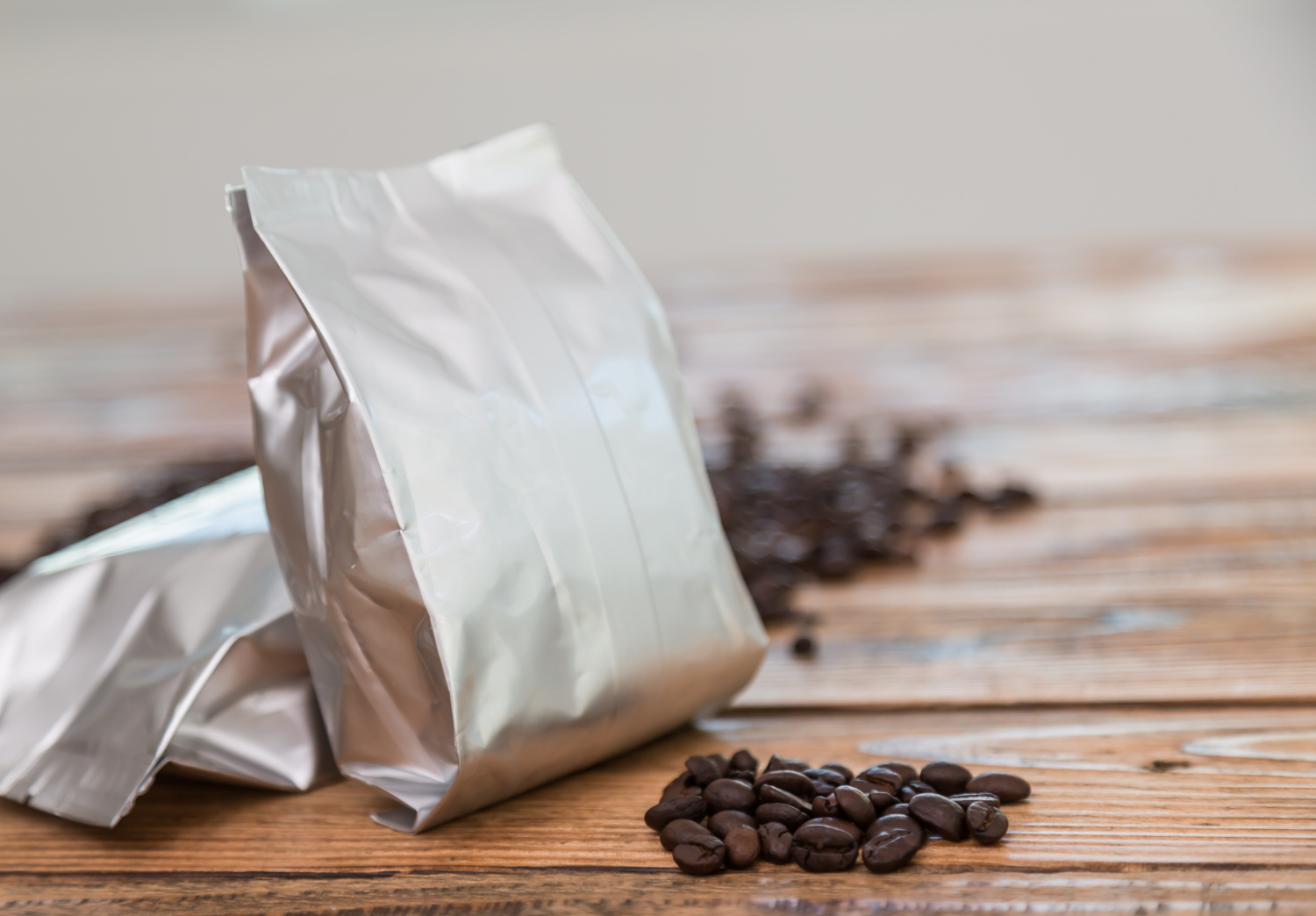
- Aluminium Foil: This material produces a complete block. It does not allow for light, air, dampness, or even germs to pass through it. That’s why it is the preferred packaging foil for foods rich in fat or strongly smelling substances that undergo fast spoilage once exposed to external elements.
- Plastic Film: Newer plastic films (multi-laminates, BOPP, or PET) are very effective moisture barriers. However, total prevention is impossible in most of the cases. But complete prevention of the passage of moisture is hardly guaranteed unless the plastic includes a metal layer or a special coating, which increases the complexity of producing the material.
2. Sustainability & Recyclable.
You Can Make or Break a Brand In 2026 by Its Packaging’s ‘Green’ Credentials.
- Aluminium foil: Can Be Recycled Indefinitely without Loss of properties, but the problem derives from lamination/Films’ Management. If Foil Is Laminated to Plastic/Paper (often used in FMCG) layers make it very hard for any ordinary recycling facility to isolate and recycle.
- Plastic Film- Films Are Quite Hard to Recycle, but Because Plastic Industries are Forging towards Monomaterial Plastic Displays (All One Type of Plastic), Because of Convenience in Dealing with Them. The carbon emission needed to make thin plastic film is usually less than what is required for mining and smelting of aluminium, which is an energy-consuming process.
3. Cost and Light weighting
Everyday products are dealing with which are sold quickly, and the profits are not significant, while the costs involved in shipping are highly dependent on weight.
- Aluminium foil is usually more expensive than plastic. Its weight is also a significant factor to consider. Another thing to consider is that during handling, the material can be folded excessively, resulting in the formation of pin holing. These cracks then fail the seal.
- Plastic film, on the other hand, is certainly the cheapest option. It is very light in weight, strong, and flexible. As a result, plastic film is the most preferred material for products that are sold in very large quantities with low margins of profit.
4. Visual Appeal and Brand Image
On a store shelf, a product’s packaging is essentially a salesperson.
- Aluminium Foil: Aluminium foil tends to convey a sense of quality and modernism. (The ability of the material to retain its shape after folds are inserted in it, a property known as ‘dead-fold’) makes it feel nice in your hands. This type of tactile stimulation is usually associated by the customer with something that is of good quality and fresh.
- Plastic Film: Plastic film, on the other hand, is excellent because of its clearness. If it’s bright candies or fresh pasta, the plastic lets shoppers see exactly what they’re buying. Many different finishes can be used when printing on plastics, ranging from a glossy high-shine finish to a dull matte finish.