

Veritech 
September 17
Why Barcode Solutions Are Necessary for Inventory Management
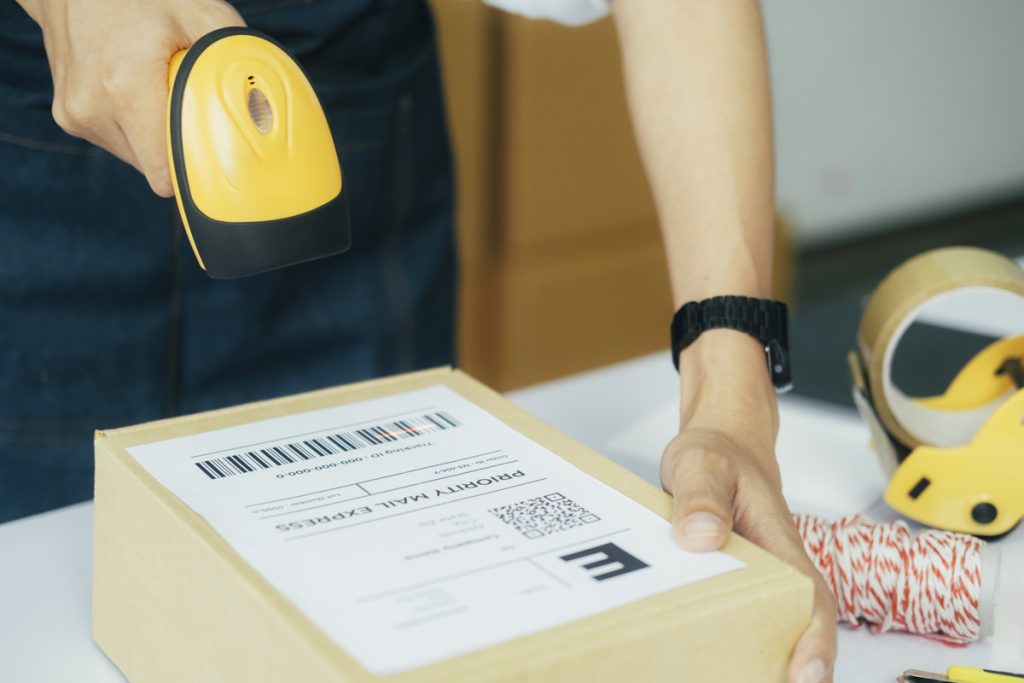
Efficient inventory management is a cornerstone of successful business operations, regardless of industry. From retail to manufacturing, logistics to healthcare, maintaining accurate and up-to-date inventory records is crucial for meeting customer demand, reducing costs, and ensuring smooth operations. Barcode solutions have emerged as powerful tools in this domain, revolutionizing the way businesses manage their inventory. This blog will explore why barcode solutions are necessary for inventory management, exploring their benefits, applications, and impact on overall business efficiency.
The Evolution of Inventory Management
Historically, inventory management was a manual, labor-intensive process prone to errors and inefficiencies. The advent of barcode technology marked a significant turning point, offering a more accurate, efficient, and automated approach to tracking and managing inventory. Barcodes encode product information in a visual pattern that can be scanned and decoded quickly, drastically reducing the time and effort required for data entry and retrieval.
The Basics of Barcode Solutions
A barcode solution typically involves the following components:
- Barcodes: Visual representations of data that can be scanned and decoded. These can be traditional linear barcodes (1D) or more complex matrix barcodes (2D) like QR codes.
- Barcode Scanners: Devices that read barcodes and convert the visual data into digital information that can be processed by a computer system.
- Inventory Management Software: Software that integrates with barcode scanners to update and manage inventory records in real time.
Benefits of Barcode Solutions in Inventory Management
1. Accuracy and Error Reduction
Manual data entry is highly susceptible to errors, leading to discrepancies in inventory records. Barcode scanning eliminates the need for manual entry, significantly reducing the chances of mistakes. The accuracy provided by barcode solutions ensures that inventory data is precise, helping businesses maintain optimal stock levels and avoid costly errors.
2. Speed and Efficiency
Barcode solutions streamline inventory management. Scanning a barcode takes a fraction of the time required for manual data entry. This speed enhances operational efficiency, allowing businesses to manage larger inventory volumes in less time. Quick scanning also accelerates stocktaking, order fulfillment, and receiving shipments, improving overall productivity.
3. Real-Time Inventory Tracking
Barcode solutions enable real-time tracking of inventory. Each scan updates the inventory management system instantly, providing an up-to-date view of stock levels. This real-time visibility is crucial for making informed decisions about reordering, stocking, and managing inventory. It also helps identify trends and patterns, enabling better demand forecasting and planning.
4. Cost Savings
By reducing errors, speeding up processes, and improving accuracy, barcode solutions contribute to significant cost savings. Lower error rates mean fewer returns and corrections, which reduces operational costs. The efficiency gained through faster processing times translates to labor cost savings, as employees can accomplish more in less time. Additionally, accurate inventory management helps in minimizing excess stock and carrying costs.
5. Enhanced Customer Satisfaction
Accurate and efficient inventory management directly impacts customer satisfaction. When inventory records are accurate, businesses can fulfill orders promptly and accurately, reducing the chances of stockouts or delays. This reliability builds customer trust and loyalty, which is essential for long-term business success.
6. Improved Decision Making
The data collected through barcode solutions provides valuable insights into inventory performance. Businesses can analyze this data to identify trends, monitor stock levels, and evaluate the effectiveness of their inventory management strategies. This data-driven approach enables better decision-making, helping businesses optimize their inventory and improve profitability.
Applications of Barcode Solutions Across Industries
1. Retail
In retail, barcode solutions are used extensively for point-of-sale (POS) operations, inventory tracking, and stock replenishment. Barcodes enable quick and accurate scanning of products at checkout, improving the customer experience. They also help retailers manage their stock more effectively, ensuring that popular items are always available and reducing the risk of overstocking.
2. Manufacturing
Manufacturers use barcode solutions to track raw materials, work-in-progress items, and finished products. This tracking ensures that materials are available when needed, reducing downtime and enhancing production efficiency. Barcodes also help in quality control by providing traceability throughout the production process.
3. Logistics and Warehousing
Barcode solutions are integral to logistics and warehousing operations. They facilitate the tracking of goods from the moment they enter the warehouse until they are shipped out. This tracking improves the accuracy and speed of picking, packing, and shipping processes, reducing errors and improving order fulfillment times.
4. Healthcare
In healthcare, barcode solutions are used to manage pharmaceuticals, medical supplies, and patient records. Barcodes ensure the accurate dispensing of medications and help in tracking the usage and expiration of supplies. This accuracy is crucial for patient safety and regulatory compliance.
Implementing Barcode Solutions: Best Practices
1. Choose the Right Barcode Technology
Select the appropriate type of barcode for your needs. Linear barcodes (1D) are suitable for most retail and simple inventory applications, while matrix barcodes (2D) like QR codes can store more information and are useful for complex data requirements.
2. Integrate with Existing Systems
Ensure that the barcode solution integrates seamlessly with your existing inventory management software. This integration is crucial for real-time data updates and efficient management of inventory records.
3. Train Your Staff
Provide comprehensive training to your staff on how to use barcode scanners and inventory management software. Proper training minimizes errors and ensures that your team can use the technology effectively.
4. Maintain Your Equipment
Regular maintenance of barcode scanners and other equipment is essential to ensure their optimal performance. Keep the devices clean and update the software as needed to avoid technical issues.
5. Monitor and Analyze Data
Regularly monitor the data collected through barcode scanning and use it to analyze inventory performance. This analysis can help you identify areas for improvement and optimize your inventory management strategies.
Future Trends in Barcode Solutions
1. Mobile and Wireless Scanning
The rise of mobile technology has led to the development of mobile barcode scanning solutions. Smartphones and tablets equipped with scanning apps can perform many of the functions of dedicated barcode scanners. This mobility enhances flexibility and allows for inventory management on the go.
2. Integration with IoT
The Internet of Things (IoT) is set to revolutionize inventory management by integrating barcode solutions with smart sensors and connected devices. IoT-enabled systems can provide real-time data on inventory conditions, such as temperature and humidity, which is crucial for perishable goods. This integration further streamlines operations and enhances decision-making.
3. Blockchain for Enhanced Traceability
Blockchain technology can complement barcode solutions by providing an immutable record of inventory transactions. This enhanced traceability is particularly valuable in industries where provenance and authenticity are critical, such as pharmaceuticals and luxury goods.
4. Artificial Intelligence and Machine Learning
AI and machine learning can analyze the vast amounts of data collected through barcode solutions to predict demand, optimize stock levels, and identify inefficiencies. These technologies can automate decision-making processes, leading to smarter inventory management strategies.
Conclusion
Barcode solutions are a necessity for efficient inventory management. They offer unparalleled accuracy, speed, and real-time tracking, all of which are crucial for maintaining optimal stock levels, reducing costs, and improving customer satisfaction. By automating data capture and providing valuable insights, barcode solutions empower businesses to make informed decisions and enhance their overall operational efficiency. As technology continues to evolve, the integration of barcode solutions with emerging innovations such as IoT, blockchain, and AI will further revolutionize inventory management, paving the way for smarter, more efficient operations. Embracing these advancements is essential for businesses seeking to maintain a competitive edge in today’s fast-paced market.