

Veritech 
August 21
How To Stop the Credential Theft Problem
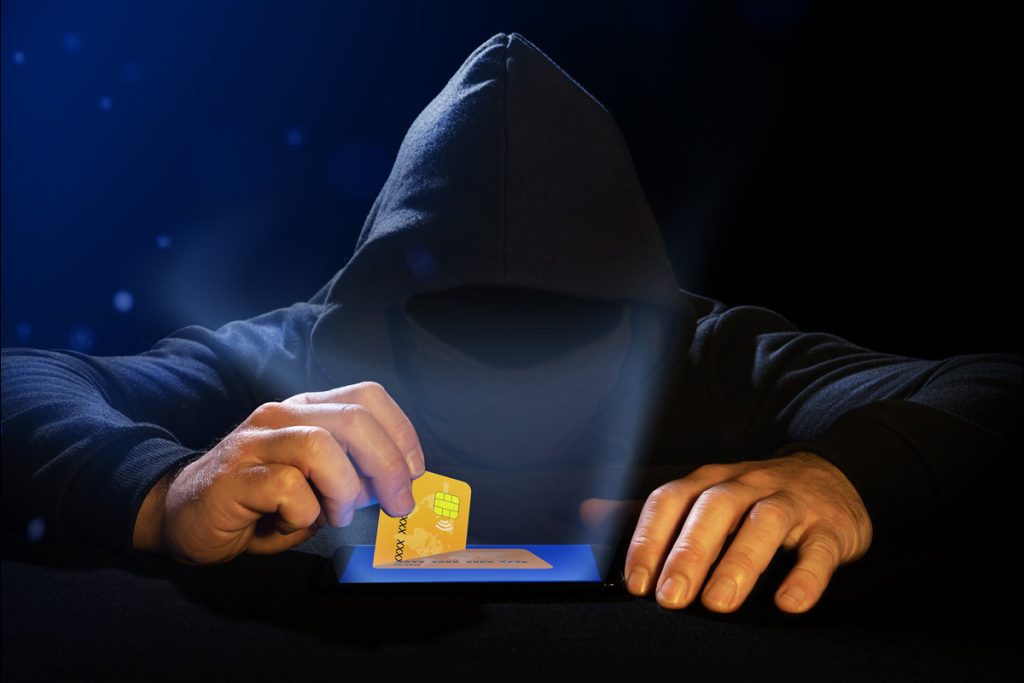
Traditional credentials protection techniques, like passwords and two-factor authentication, are becoming less and less effective in an era where digital security is critical. Our security measures need to change as cyber threats do. The utilization of security labels and holograms is one cutting-edge strategy that is gaining popularity. These physical security elements are currently being modified to improve digital security and guard against credential theft. Traditionally, they were employed in anti-counterfeiting for goods and papers.
This blog explores how holograms and labels can be effectively utilized to combat credential theft, offering a fresh perspective on merging physical and digital security.
Understanding Credential Theft
Credential theft involves the unauthorized acquisition of sensitive information like usernames, passwords, and personal identification numbers (PINs). This stolen data can then be used to gain unauthorized access to systems, commit fraud, or launch further cyberattacks. Common methods of credential theft include:
- Phishing: Fraudulent attempts to obtain sensitive information by masquerading as a trustworthy entity.
- Malware: Malicious software designed to steal information from devices.
- Brute Force Attacks: Automated attempts to guess passwords until the correct one is found.
- Social Engineering: coercing someone into disclosing private information. To counter these threats, innovative solutions like holograms and security labels offer promising new defenses.
The Role of Holograms in Credential Security
What are Holograms?
Three-dimensional images known as holograms are created when light beams from a laser or other coherent light source interfere with one another. Because of their intricate production process, they are hard to duplicate, which makes them a great tool for security applications.
How Holograms Enhance Security
Holograms can be used to enhance credential security in several ways:
- Secure Authentication Tokens: Physical authentication tokens, such as smart cards or key fobs, can be embedded with holograms to verify their authenticity. These tokens can store encrypted credentials and use holograms as a visual verification feature to ensure they have not been tampered with or duplicated.
- Holographic QR Codes: Integrating holographic elements into QR codes can enhance their security. These codes can be scanned to verify credentials, with the holographic layer providing an additional layer of protection against counterfeiting.
- Secure ID Cards: ID cards with holographic features are harder to forge. They can be used in access control systems to ensure that only authorized personnel can gain entry to secure areas or systems.
Implementing Holograms in Credential Security
- Multi-Factor Authentication (MFA): Holograms can be used as a physical factor in multi-factor authentication systems. For example, a user might need to present a holographic ID card in addition to entering a password and providing a biometric sample.
- Anti-Phishing Measures: Holographic elements can be used in emails and online communications to verify the sender’s identity. For instance, official communications could include a holographic seal that recipients can check to ensure the email is legitimate.
- Document Security: Important documents, such as contracts and certificates, can include holographic seals to prevent forgery. These documents can also be linked to digital credentials, providing a secure bridge between the physical and digital worlds.
The Role of Security Labels in Credential Security
What are Security Labels?
Security labels are tamper-evident and often incorporate multiple layers of protection, including holograms, unique serial numbers, and other features that make them difficult to counterfeit. They are commonly used in product authentication, secure packaging, and document protection.
How Security Labels Enhance Security
Security labels can enhance credential security in various ways:
- Tamper-Evident Seals: Security labels can act as tamper-evident seals on devices, documents, and packaging. If a label is tampered with, it provides visible evidence that the integrity of the item has been compromised.
- Verification Stickers: These can be used on ID cards, access badges, and other authentication tokens to verify their authenticity. The stickers might include holographic elements, QR codes, or unique serial numbers that can be checked against a database.
- Secure Packaging: Security labels can be used on the packaging of hardware security modules (HSMs), USB drives, and other devices that store credentials. This ensures that the devices have not been tampered with before they are used.
Implementing Security Labels in Credential Security
- Enhanced ID Cards: ID cards with security labels provide an additional layer of protection against forgery and tampering. The labels can include features like holograms, UV printing, and unique serial numbers.
- Secure Device Management: Devices that store or manage credentials, such as security tokens and smart cards, can be protected with security labels. These labels ensure that any tampering with the device is immediately evident.
- Document Authentication: Important documents can include security labels to verify their authenticity. These labels can be checked visually or by using a scanner to confirm that the document is genuine.
Case Studies and Examples
Case Study 1: Government ID Cards
Many countries have adopted holographic elements in their national ID cards to combat forgery and ensure the authenticity of the credentials. These holograms are difficult to replicate and provide a quick, visual way to verify the cardholder’s identity.
Case Study 2: Corporate Access Badges
A multinational corporation implemented security labels on their employee access badges. These labels included holograms and unique serial numbers, making it easy to spot fake badges and ensuring that only authorized personnel could access secure areas.
Case Study 3: Secure Packaging for Hardware
A tech company used tamper-evident security labels on the packaging of their hardware security modules. This ensured that customers could verify the integrity of the device before use, providing an additional layer of trust in their security products.
The Future of Credential Security with Holograms and Labels
As technology advances, the integration of holograms and security labels into credential security systems will likely become more sophisticated. Future developments may include:
- Dynamic Holograms: Holograms that change their appearance based on certain conditions, such as the angle of viewing or temperature, could provide an even higher level of security.
- Smart Labels: Labels equipped with RFID or NFC technology can provide both physical and digital verification. These smart labels can interact with devices to authenticate credentials seamlessly.
- Blockchain Integration: Security labels and holograms can be linked to blockchain-based systems to create immutable records of authenticity. This can further enhance trust and security in credential verification processes.
Conclusion
Credential theft is a significant and growing threat in our increasingly digital world. Traditional methods of protection are no longer sufficient, necessitating the adoption of innovative solutions. Holograms and security labels offer a powerful means of enhancing credential security by providing tamper-evident, counterfeit-resistant features that can be integrated into various authentication systems.
By leveraging the unique properties of holograms and the robustness of security labels, individuals and organizations can better protect their credentials from theft and misuse. As these technologies continue to evolve, they will play an increasingly important role in the ongoing battle against credential theft, bridging the gap between physical and digital security.
Investing in these advanced security measures is not just a reactive step but a proactive strategy to stay ahead of cybercriminals and safeguard our digital identities. The fusion of holographic technology and secure labeling represents a promising frontier in the quest to protect our most sensitive information from the ever-present threat of credential theft.